Mastering Roulette House Edge: How to Pick the Best Game Variant
 How To Play
 Roullete
Roulette looks simple. Place a chip, watch the wheel, hope your number lands. But the real “engine” of roulette is not luck. It’s math. And the math is built into the wheel itself.
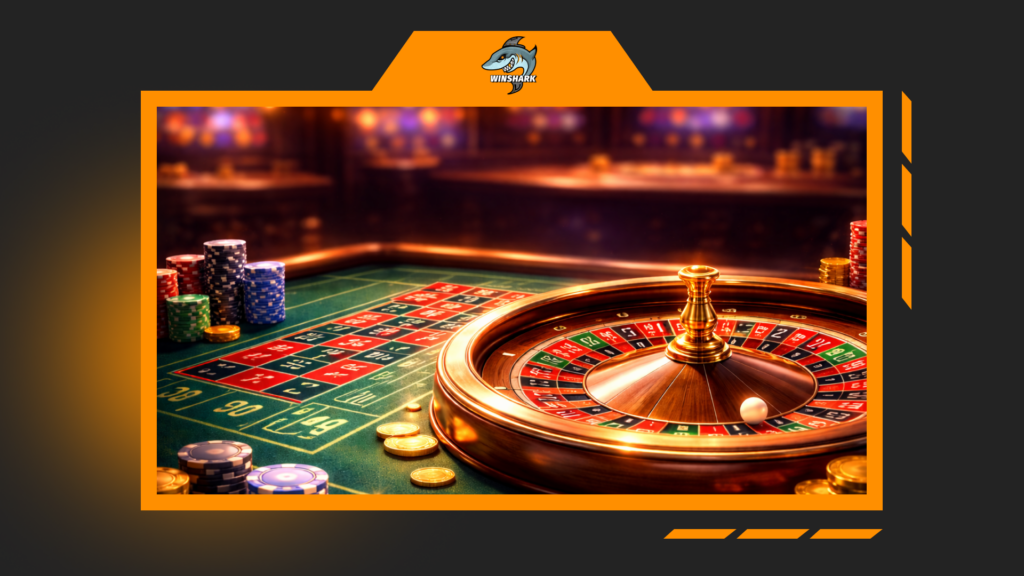
If you’ve ever felt like you were “almost” there, then slowly drifted down anyway, that’s usually not bad timing. It’s the built-in advantage that comes from the zero pockets. Once you see how that works, table selection stops being a vibe and starts being a strategy.
Defining the House Edge in Simple Terms
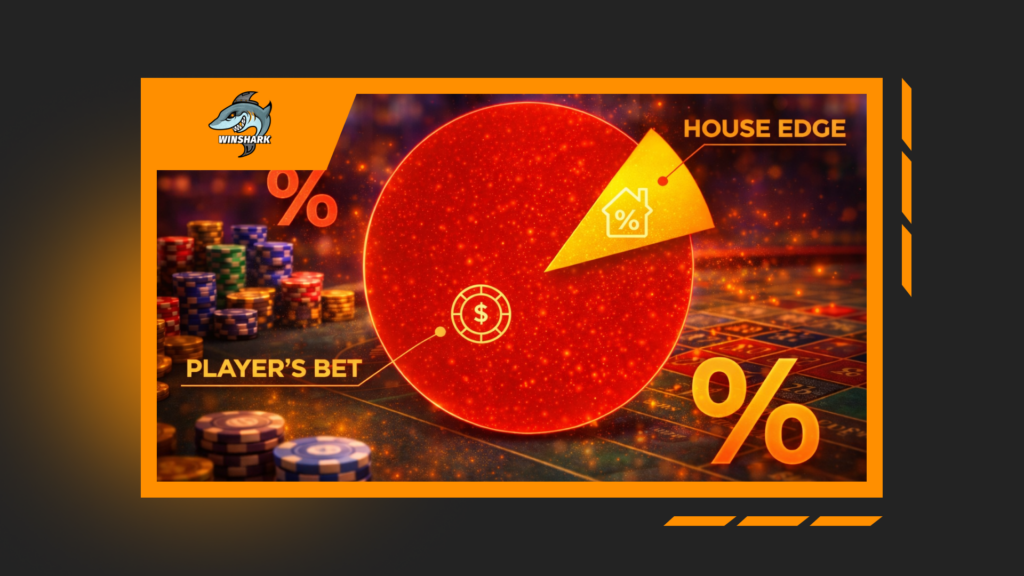
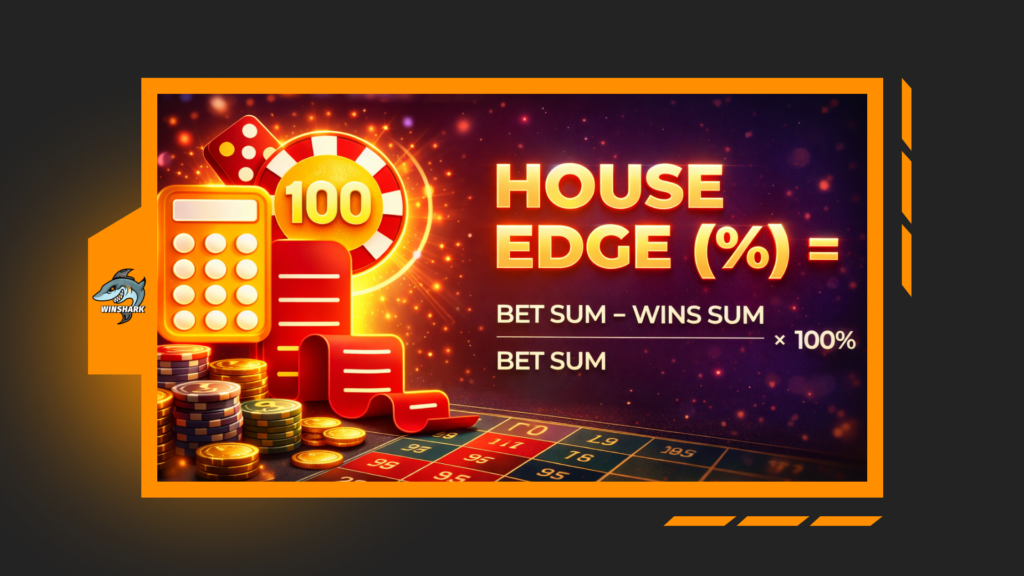
House edge is the average share of every bet that the casino expects to keep over the long run. Not every spin. Not every session. But across thousands of spins, the math starts acting like gravity.
Here’s the clean way to think about it:
- If you bet $10 repeatedly on a game with a 2.7% edge, your long-run expected loss is about $0.27 per $10 wagered.
- You can still win in the short term. You can also lose fast. The edge just tells you which direction the game leans over time.
You may have asked: what is the house edge in roulette? It’s simply the gap between what you should be paid based on probability, and what you are paid by the payout rules. Every table game has a casino house edge baked into its design, and roulette shows it very clearly once you look at the wheel.
True Odds vs Payout Odds
Roulette payouts feel logical because they look clean. A single number pays 35 to 1. A red/black bet pays 1 to 1. But the wheel does not match those payouts perfectly, because the wheel has extra pockets that don’t belong to any color.
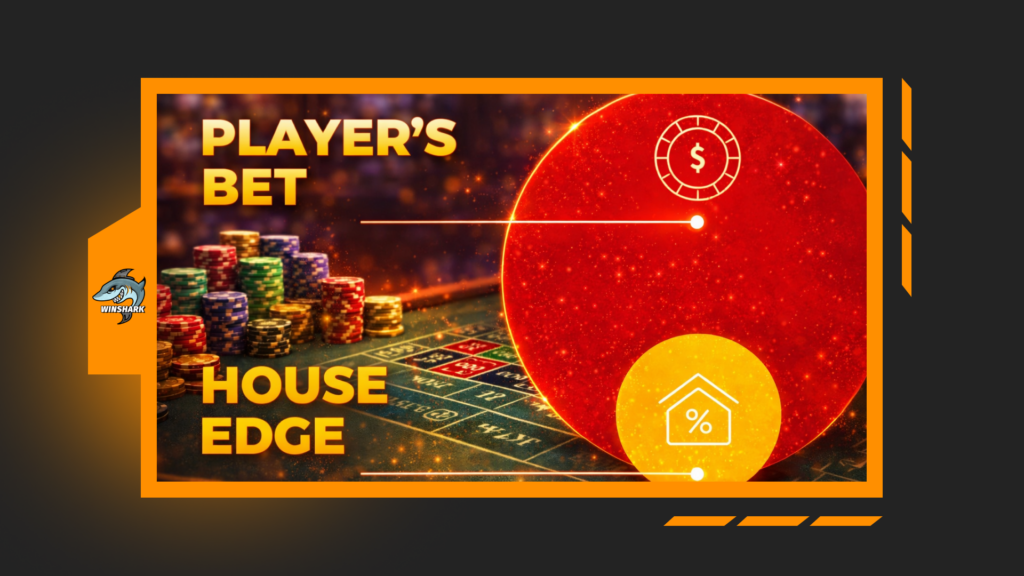
Let’s separate two ideas: True odds are what a fair payout would be if the game had no built-in advantage. Payout odds are what the table actually pays.
Example: Single number on European roulette
European roulette has 37 pockets (0–36). Your chance to hit one exact number is 1/37.
If the game were perfectly fair, the profit payout would need to be 36 to 1 to match that probability. Why?
- Win profit: +36 (happens 1 time out of 37)
- Lose stake: -1 (happens 36 times out of 37)
Expected value (fair) would be: (1/37 × 36) + (36/37 × -1) = 0
But roulette pays 35 to 1, not 36 to 1. That missing 1 unit is the edge.
So the expected value becomes: (1/37 × 35) + (36/37 × -1) = -1/37 ≈ -2.70%
That 2.70% is the “cost” of playing that bet over time.
The Roulette Trinity: American vs European vs French
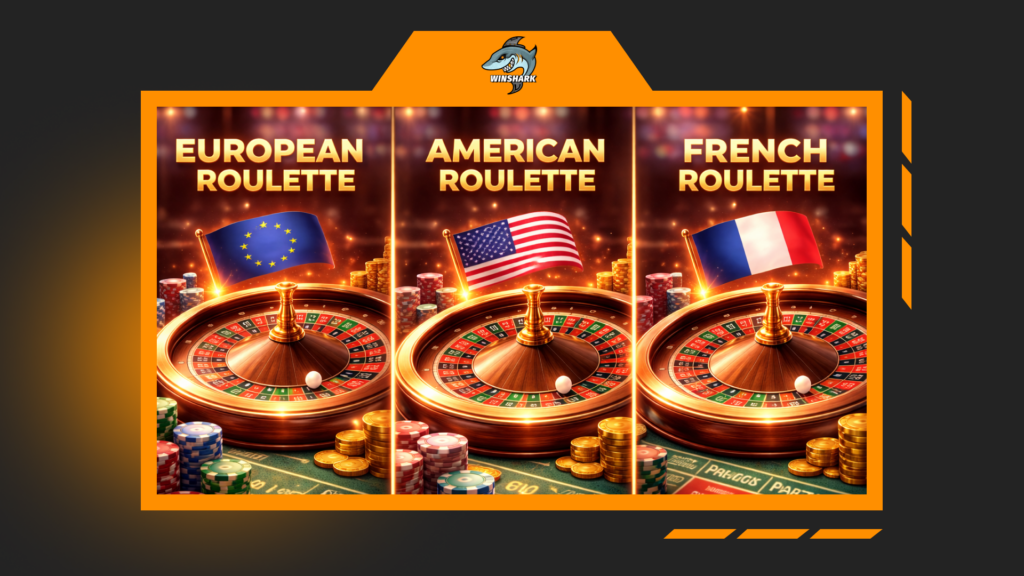
Here’s the part most players can use immediately. The edge changes mostly based on how many zero pockets exist.
The roulette house edge is driven by those zeros, because they create outcomes where even-money bets lose despite looking like 50/50 on paper.
| Variant | Pockets | Zeros | Typical house edge | Extra rules that can help |
| European | 37 | 1 | ~2.70% | None by default |
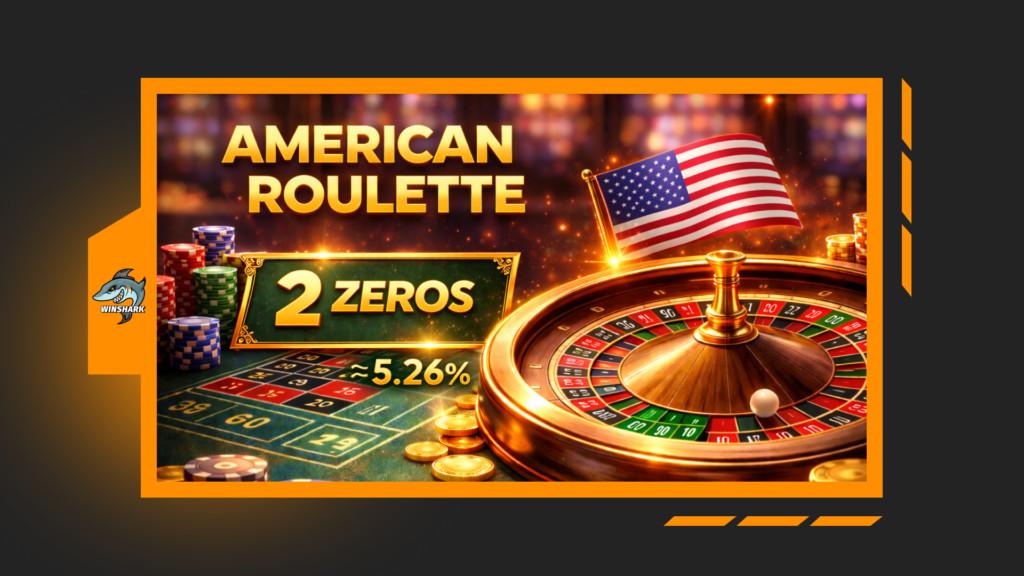
| American | 38 | 2 | ~5.26% | None by default |
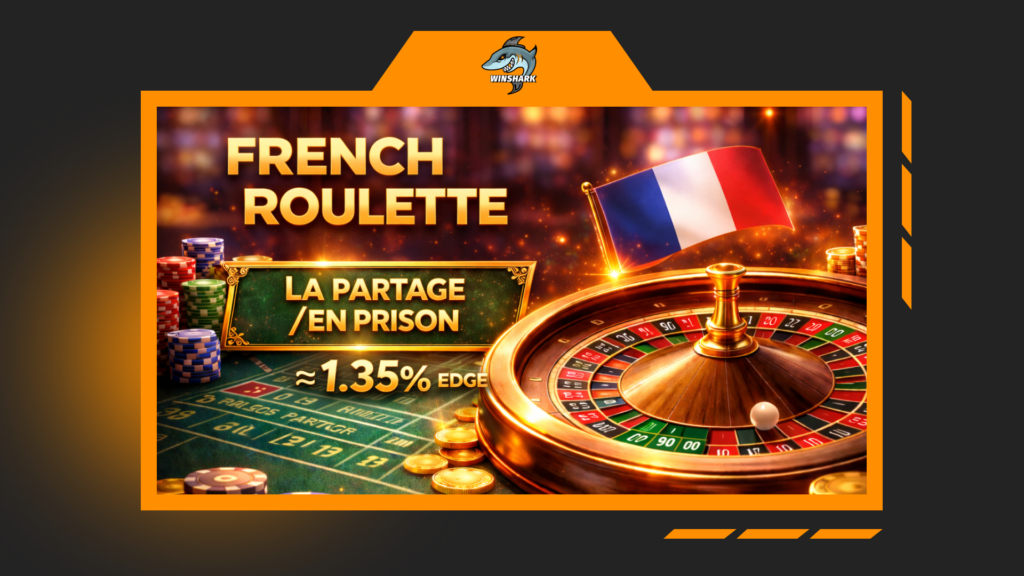
| French | 37 | 1 | ~2.70% | La Partage / En Prison can reduce even-money edge |
French roulette is often “European roulette plus rules”. If the table uses La Partage on even-money bets, the edge on those bets can drop to about 1.35% because you get half your stake back when zero hits. So yes, the wheel matters. But the table rules matter too.
How Zero Pockets Actually Hurt Your “Simple” Bets
Many beginners start with red/black because it feels safe. It’s not a bad starting point, but it’s important to see the hidden trap.
On a single-zero wheel, red and black each cover 18 numbers. That’s 18 out of 37, not 18 out of 36. So it’s not 50/50.
- Win chance: 18/37
- Lose chance: 19/37
- Payout: 1 to 1
That small imbalance is enough to create the same 2.70% edge as the number bet. The game is consistent. It doesn’t “cheat” differently on different bets. The wheel structure does the work. And this is why roulette can feel friendly while still grinding down a bankroll over time.
How to Pick the Most Favorable Table
Choosing a roulette table is mostly about removing avoidable disadvantages. You don’t need a spreadsheet. You need a checklist.
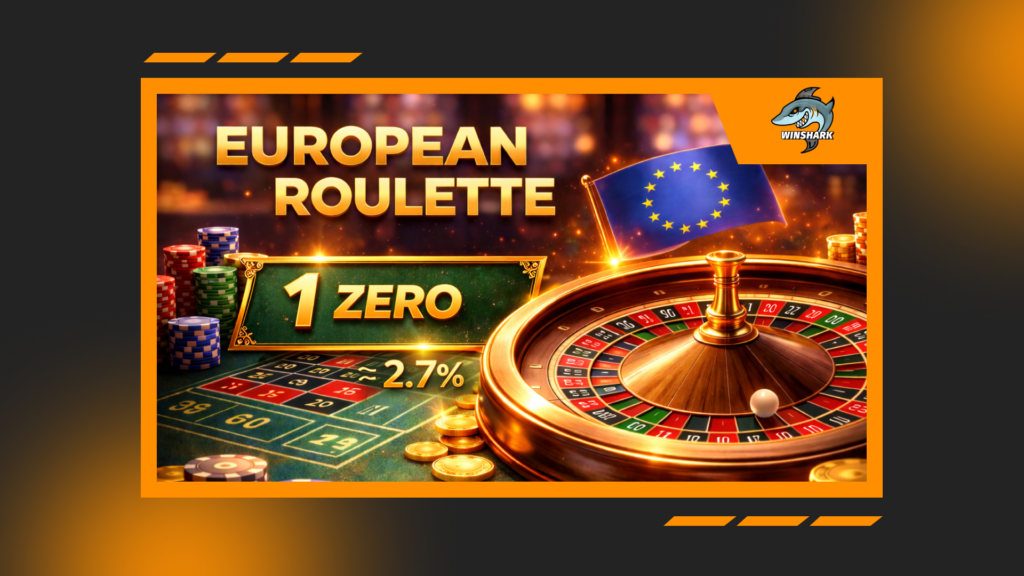
- Prefer single-zero (European or French) over double-zero.
- If French roulette is available, look for La Partage or En Prison on even-money bets.
- Watch table limits. A low minimum helps you stretch your session budget. A low maximum can stop you from “saving a session” with one oversized bet.
- Check how fast the game plays. Faster spins mean more decisions per hour, and more decisions usually means more money cycled through the edge.
A quick note for context: slots are different. The slots house edge can vary widely by game, and you often can’t “see” it just by looking at the interface. Roulette at least shows you the core mechanic: the zeros.
If you are hunting for casino games with lowest house edge, roulette is not always the top pick, especially compared to strong blackjack rules with correct play. But roulette can still be a solid entertainment choice when you choose the right variant and treat the spend like a controlled session, not a mission.
Can Betting Systems Beat the Edge?
No system changes the math of the wheel. Betting systems can change variance, and they can change session shape, but they do not remove the negative expectation.
Common systems usually fail for one of two reasons:
- The wheel still has an edge, so you’re only rearranging when the losses show up.
- Table limits and bankroll limits eventually block the “recovery step”.
A few examples, just to make it concrete:
- Martingale (double after a loss): looks powerful until a losing streak hits, and then the required bet size jumps faster than most bankrolls can handle.
- D’Alembert (increase by 1 after a loss): feels calmer, but it still drifts negative because the underlying expectation stays negative.
- Fibonacci (increase along a sequence): smoother than Martingale, same core problem.
If a system “worked” long term, casinos would remove roulette. Instead, roulette survives everywhere because the edge survives every system.
Tips and Warnings
Roulette is easiest to enjoy when you treat it like paid entertainment with boundaries. Here are the habits that usually separate “fun session” from “why did I do that”.
- Keep the session plan outside the heat. Decide your budget before you place the first chip. Once adrenaline kicks in, your brain starts bargaining.
- Avoid “balance correction” thinking. The wheel does not remember. A run of red doesn’t make black “due”. That story feels logical, but it’s a trap.
- Use pace as a tool. Fast spins can feel exciting, but they also reduce reflection time. Slowing down is not boring, it’s control.
- Be careful with escalation after near misses. Roulette creates a lot of “almost” moments (one pocket away, same color streak, close splits). Those moments trigger impulsive jumps in stake size.
- Don’t turn even-money bets into a chase. Even-money bets feel safer, but they can still drain a bankroll if you keep increasing stakes to “get back”.
If you want one simple rule that works across almost any table: bet smaller than you feel you “can”, and stop when you still feel good. The goal is to leave the session feeling like you chose the ending, not like the ending happened to you.
Conclusion
Roulette is not complicated, but it is precise. The zero pockets create the mismatch between true odds and payout odds, and that mismatch is the house advantage. Once you understand that, the “best strategy” becomes less about clever patterns and more about smart table choice.
Pick single-zero when you can. Prefer French rules for even-money bets when they’re offered. Keep your session budget fixed before the first spin, and treat the game as entertainment, not an investment.
 Blackjack
 Table games