Top Blackjack Side Bets for Better Online Casino Payouts
 Blackjack
 Table games
In Blackjack, you have a main decision loop, a clear goal, and a mathematical path that rewards discipline. Side wagers change that texture. They can add excitement, boost variance, and create those one big hit moments people share in chat.
The key is integration. If you treat add ons as random extras, they quietly distort your session. If you treat them as a small, controlled layer, you can enjoy the thrill while keeping expectations and bankroll aligned. This guide explains side wagers in plain terms, compares common options, and shows how to use them without letting the table set your spending for you.
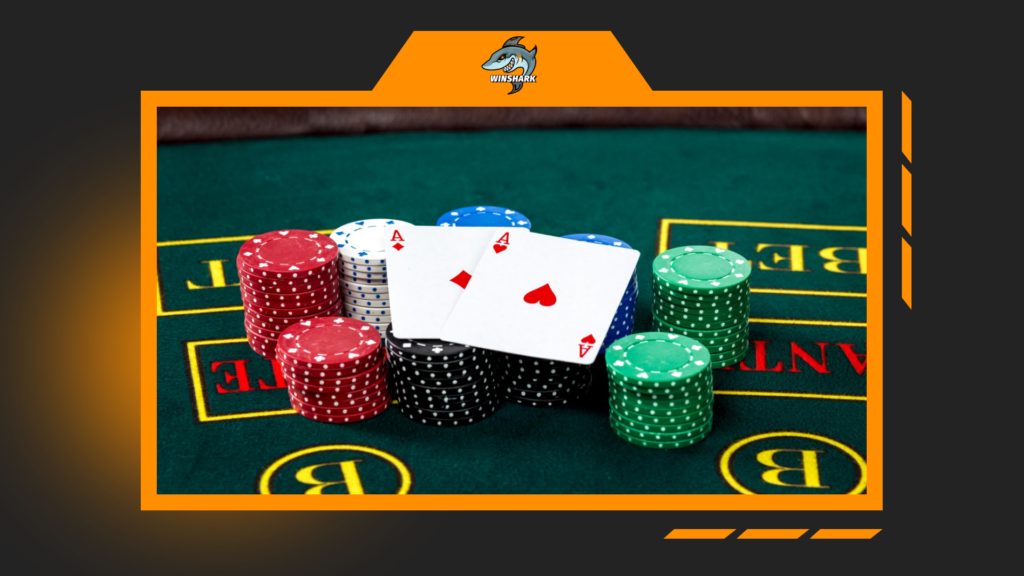
What are Blackjack Side Bets?
Blackjack side bets are optional wagers placed alongside the main blackjack hand. They resolve on a separate condition, usually based on the first two player cards, the dealer up card, or both. Win or lose on the side wager does not change whether you hit, stand, split, or double on the main hand.
Most tables and live streams present them as tiny circles or boxes near your main betting spot. In an online casino, they may appear as toggles you can turn on per hand, with a short paytable you can open in one tap.
The important mental model is simple. The main game has a relatively low House edge when you follow basic strategy. Side wagers usually have a higher House edge because the payouts are built around rare events. That does not make them useless. It means you should treat them as entertainment with defined limits, not as a hidden way to turn blackjack into a profit engine.
Popular Table Add Ons
Most blackjack lobbies reuse the same set of add ons, even if the names vary. The easiest way to avoid confusion is to identify what cards the wager uses, then verify the paytable.
Below is a quick table of common blackjack side bets you will see in a typical online casino lobby. Payouts and odds vary by provider and table rules, so use this as a comparison map, then confirm the exact paytable before you play.
| Side wager | What it uses | Typical top payout | Typical House edge range | When it fits |
| Perfect Pairs | Your first two cards | 25:1 to 30:1 on a top tier pair | often high, paytable dependent | Small fun bet when you are already playing low stakes |
| 21+3 | Your first two cards plus dealer up card | up to 100:1 in some paytables | often mid to high single digits | When you want poker hand excitement without leaving blackjack |
| Hot 3 | Your first two cards plus dealer up card | often 100:1 on the top hit | paytable dependent, varies by version | Short sessions when you want high variance moments |
| Lucky Ladies | Your first two cards total 20, with bonuses for suited or specific queens | up to 1000:1 in some tables | often very high, can exceed 15 percent | Lottery style side action |
| Bust It style | Whether the dealer busts, sometimes with tiers by number of cards | can reach 250:1 or more | varies widely | If you like dealer outcome narratives |
| Insurance | Dealer shows an Ace | pays 2:1 if dealer has blackjack | high in expectation for most players | Mainly as a counting driven decision |
For deeper math, independent analyses illustrate how widely these edges move by paytable, especially for Perfect Pairs and Lucky Ladies. For a practical range example on poker hand style wagers, published guides show typical paytables and estimated edges that change with deck count.
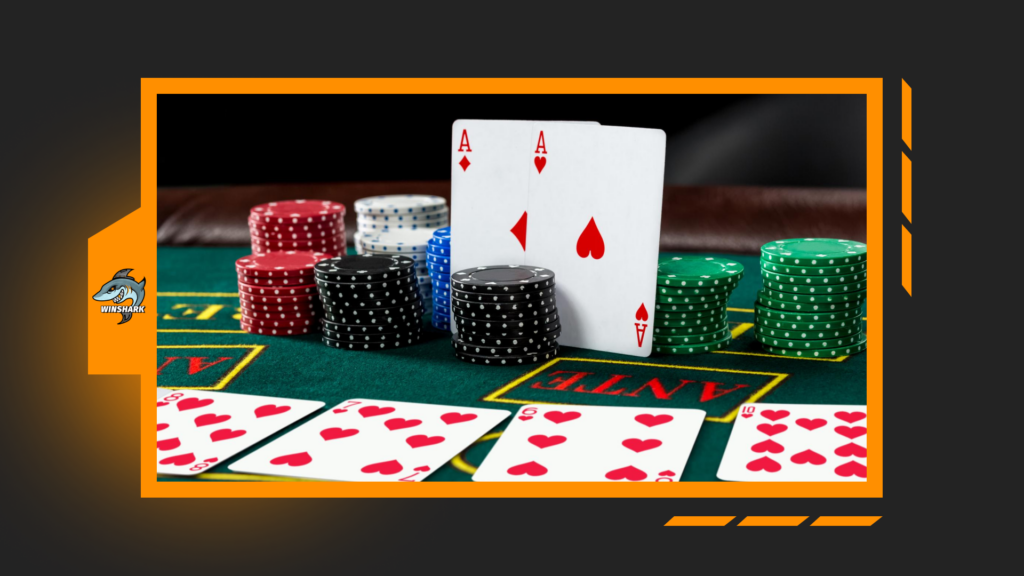
House Edge vs Massive Payouts
When a side wager advertises 100:1, it is selling you a story. That story is valid, but it has a cost. Large multipliers come from low hit rates, and low hit rates mean long stretches of nothing.
A clean way to read any blackjack side bets payout table is to separate two questions. First, what is the top prize? Second, how often does any prize land? Two wagers can both show a 100:1 top line, yet one pays small wins more often, while the other is mostly dead hands until the rare premium hit.
This is why comparing only the top payout is misleading. You want a sense of overall return and volatility. Most casino guides summarize this as House edge and hit frequency. The exact number changes by deck count and paytable, but the pattern stays stable. More excitement usually means more cost over time.
A useful expectation rule is simple. If you want the side action to feel present, choose a bet with more frequent small wins. If you want occasional spikes, accept that most hands will lose. In both cases, the goal is bankroll control, not chasing a miracle.
How poker hands are formed from your cards and the dealer up card
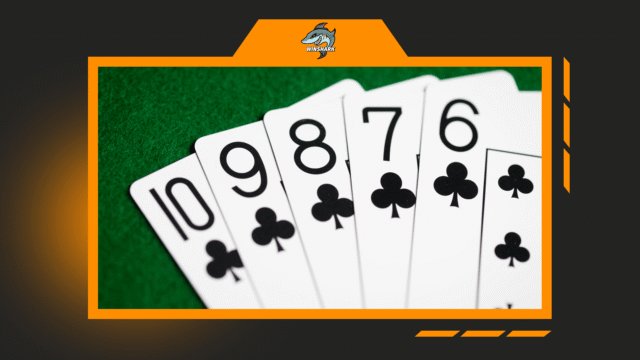
Several popular add ons use three cards to create a poker style result. The three cards are your two initial cards plus the dealer up card. Those three cards can form hands like a flush, straight, three of a kind, and straight flush.
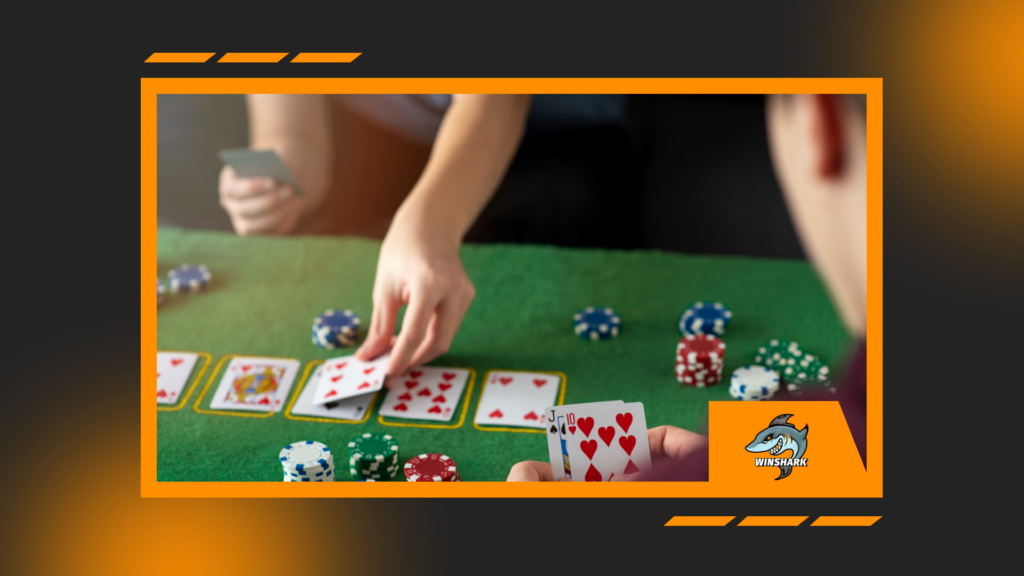
This is where players get confused. The poker hand is not built from your final blackjack hand after hits. It is built from the first deal only. That is why the wager resolves fast, often before you make your main decision.
For the 21+3 side bet, the typical winning hands are:
- Flush, any three cards of the same suit
- Straight, three consecutive ranks
- Three of a kind, three cards of the same rank
- Straight flush, consecutive ranks in the same suit
Some tables add suited trips as a premium tier, with higher payouts. The same three card logic also powers Hot 3. So what is hot 3 in blackjack? It is a wager based on your first two cards plus the dealer up card, paid by specific totals and premium combinations. Many versions reward totals of 19, 20, or 21, with higher payouts for suited 21 or three of a kind 21, depending on the paytable.
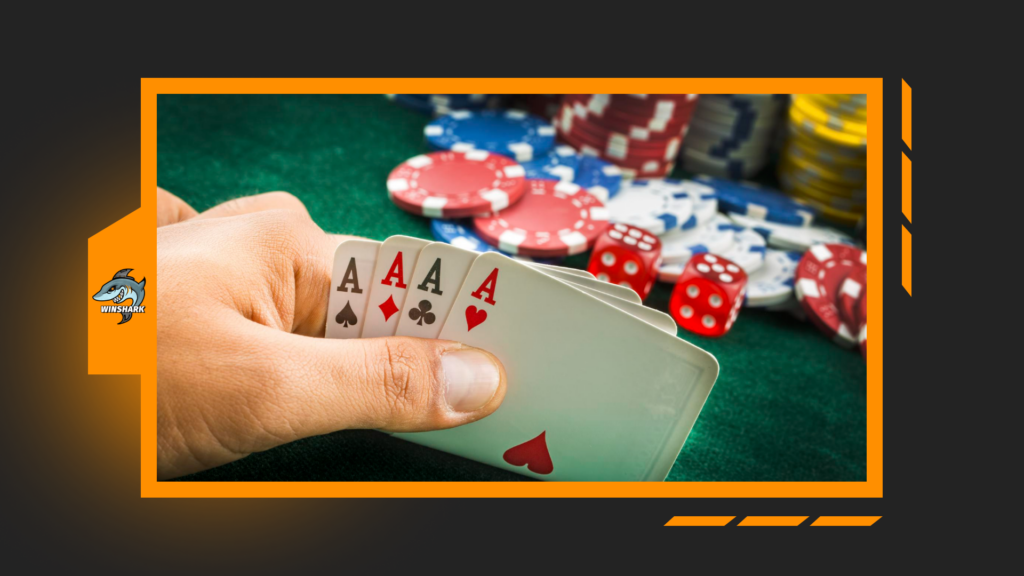
Because these bets share the same input cards, you can evaluate them with one habit. Before you click, open the paytable and check which hands qualify and what the top tier requires. A straight flush sounds common until you remember it is three cards, not five.
Blackjack Side Bets Strategy Tips
The main risk with blackjack side bets is not the math. It is a drift. You start with a small add on, you hit one payout, and suddenly the side wager becomes the main wager.
Use a clear limit for your side action. A simple approach is to treat the side wager as a fixed percentage of your main bet, and keep that percentage stable across the session. This keeps your bankroll predictable even when variance spikes.
Insurance bet deserves its own note because it looks like protection. Insurance bet is a separate wager that pays when the dealer has blackjack showing an Ace. For most players following basic strategy, Insurance bet is a negative expectation. It becomes a specialized tool mainly when Card counting tells you the deck is rich in tens.
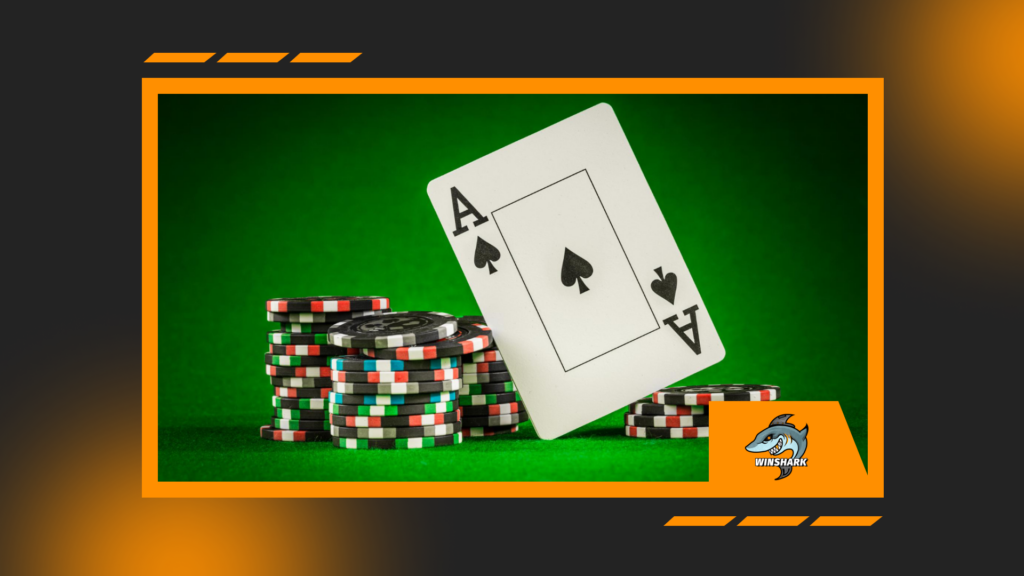
If you do not count, treat Insurance bets as a cost, not a shield. If you do count, keep the same discipline you use everywhere else: a defined trigger, consistent sizing, and no emotional overrides. A counting session already demands focus, and side decisions should support that focus.
Here are practical habits that keep the add ons under control:
- Set a side wager budget for the session before the first hand
- Avoid increasing the side wager after a win
- Keep enough chips for doubles and splits on the main hand
- If you take Insurance bet, take it only when your system calls for it
- Recheck the paytable when you switch tables in an online casino
One more useful principle is pacing. In an online casino live room, side bets can feel faster because hands resolve quickly. That speed can make losses feel smaller and tempt you to click more often. Build a pacing rule, like taking the add on only on specific hands per shoe, so your session stays controlled.
Conclusion: Side Bets as a Controlled Extra
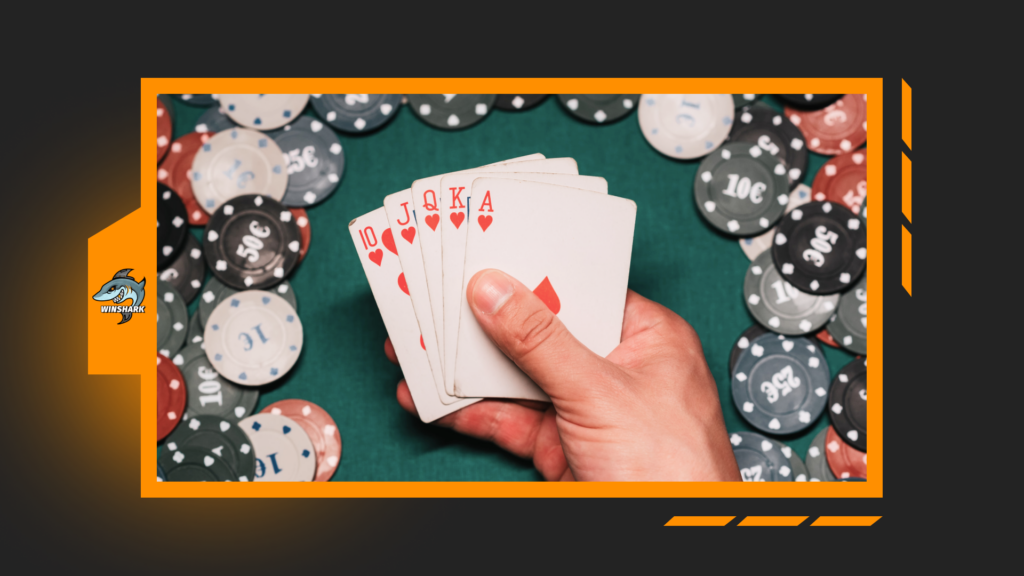
Blackjack side bets can make a session more fun, but they change volatility and average cost. Treat them as a small layer, read the blackjack side bets payout table before you play, and keep your main decisions clean.
The smart goal is simple. Use side wagers when you want added excitement, keep the bet size small relative to your main stake, and avoid treating a big hit as proof of value. In an online casino, discipline remains the real edge, and it applies to every click.