
21+3 in Blackjack: Rules and Card Combinations
 Blackjack
 Table games
If you hear players ask, “what is 21 + 3 in blackjack”, they are usually pointing to an extra wager that sits next to the main hand. 21+3 is a side bet that scores a three-card poker style pattern using your first two player selections and the dealer’s upcard. The standard blackjack round still plays normally; this add-on is simply settled separately.
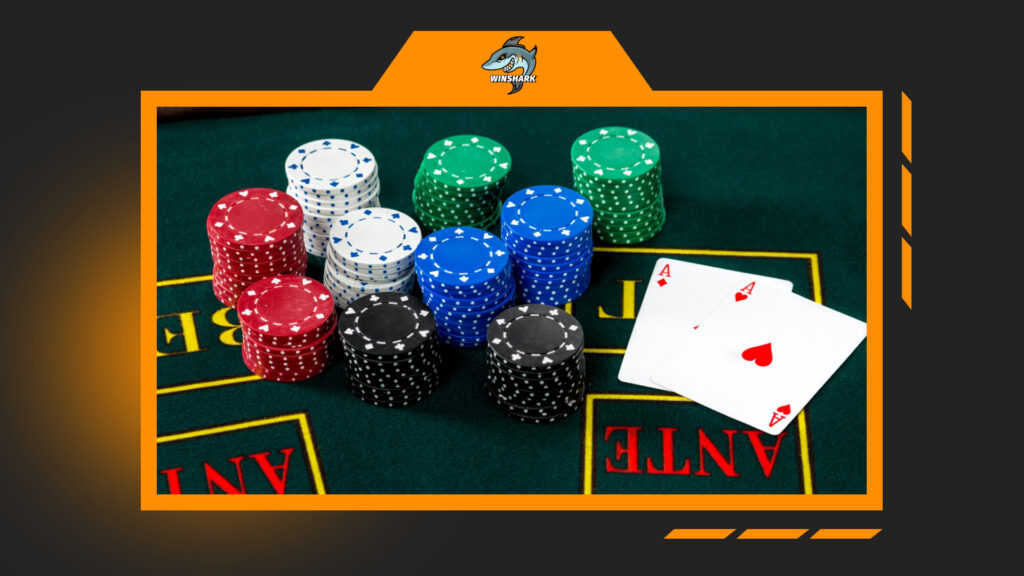
At a live table, the 21+3 option is usually marked as its own betting spot. In many live tables, it appears as a second chip area you can activate before the deal. The key point is independence: you can win the 21+3 side bet and still lose your main blackjack hand, or the opposite, in the same round.
The quickest way to understand the concept is to think “three cards, one check”. Those three cards are taken from the same deal you already receive, so the extra wager feels like a layer on top of the round rather than a separate game.
How The 21+3 Side Bet Works
You place this side bet before any dealing begins. After the initial deal, the dealer looks at exactly three initial pieces and checks whether they form a qualifying combination. If they do, the wager pays by the posted schedule; if they don’t, it loses immediately.
This timing is why the add-on feels “instant”. Your later decisions in blackjack hit, stand, double, split do not change the 21+3 result. The casino settles it early so the table can return to the main hand without slowing the game.
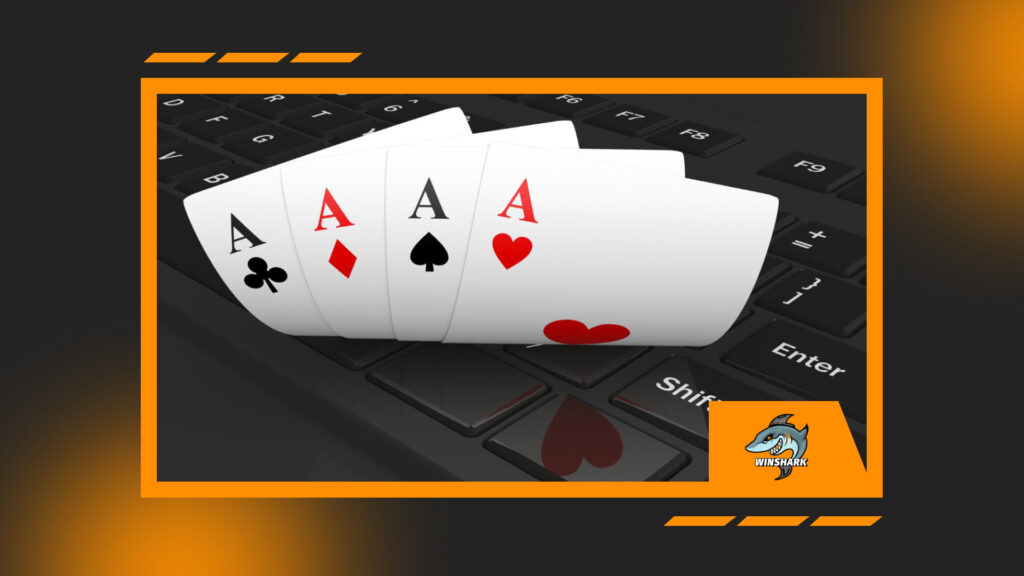
In an online interface, the same early settlement is often shown with visual highlights. That presentation can make the side bet feel like the “main event”, even though the underlying blackjack rules and odds remain unchanged.
Which Cards Are Used To Form A 21+3 Hand
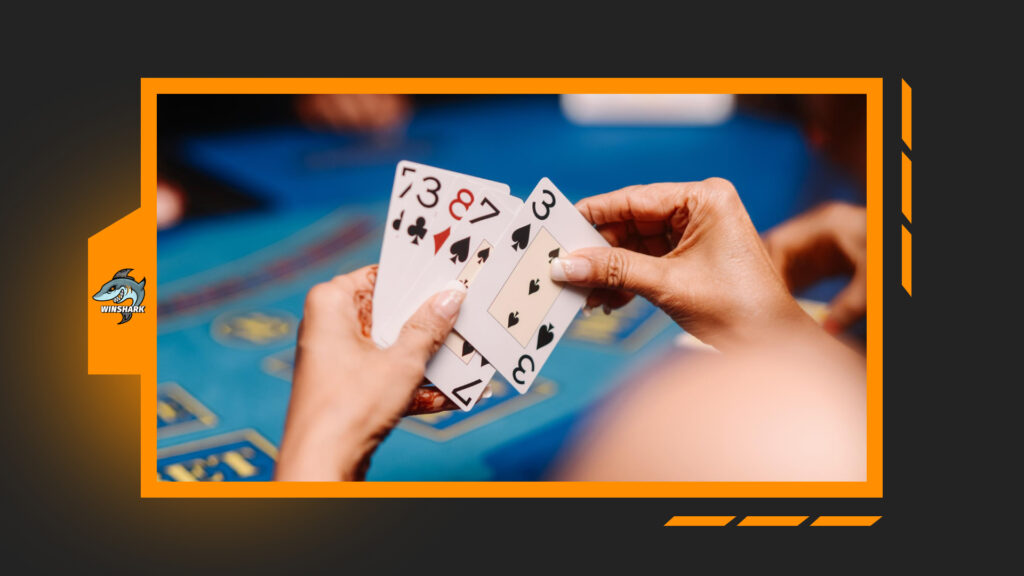
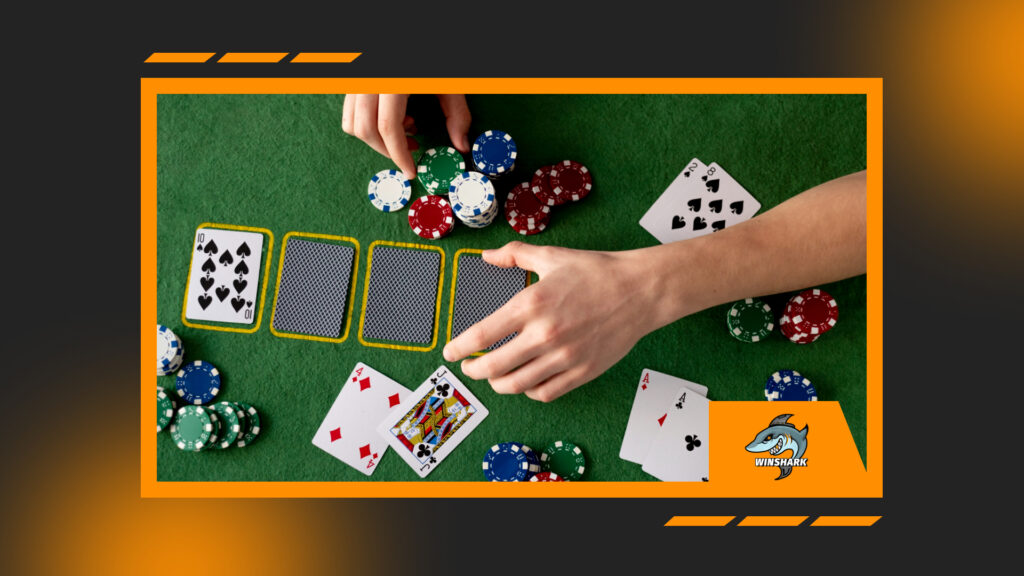
This three-card hand always uses the same three cards: your two starting player cards plus the dealer’s upcard. No other card is counted. If you take a hit card, or even multiple hit card(s), they don’t enter the 21+3 evaluation.
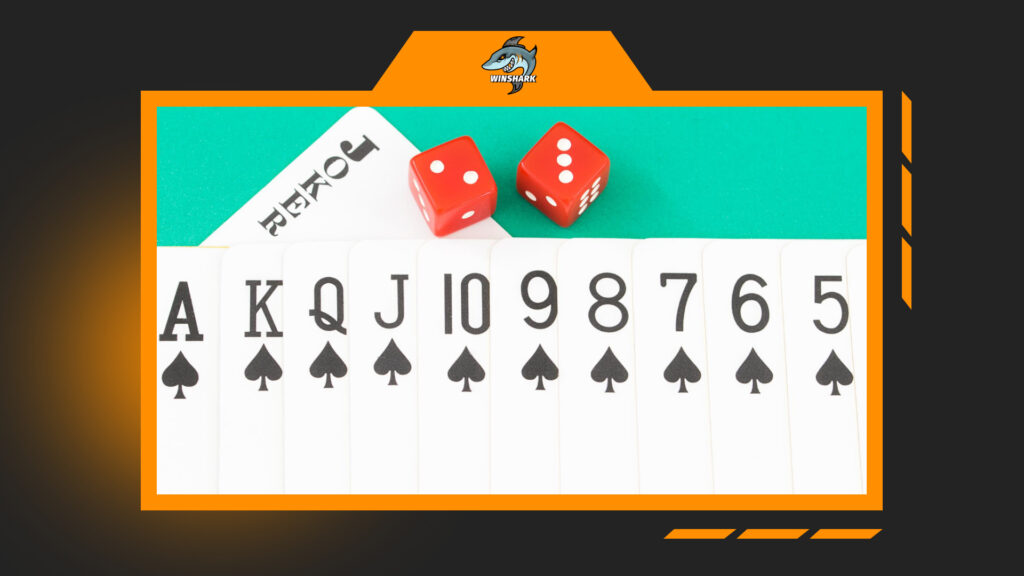
This detail explains two common surprises. First, a player can lose the 21+3 side bet quickly and still go on to win at blackjack. Second, a player can win the side bet and then lose the main hand because the dealer’s final total beats theirs.
Different tables can also present different “value” even with the same mechanic. One casino might run 21+3 with a flatter pay table, while another uses a steep, tiered schedule that concentrates payouts into rare outcomes. Online versions can differ for the same reason, so the rules panel matters.
If you want to judge what you are actually playing, the key is not the name on the layout. The key is the pay table printed at that specific casino table or displayed in that online rule panel.
Winning Hand Combinations Explained
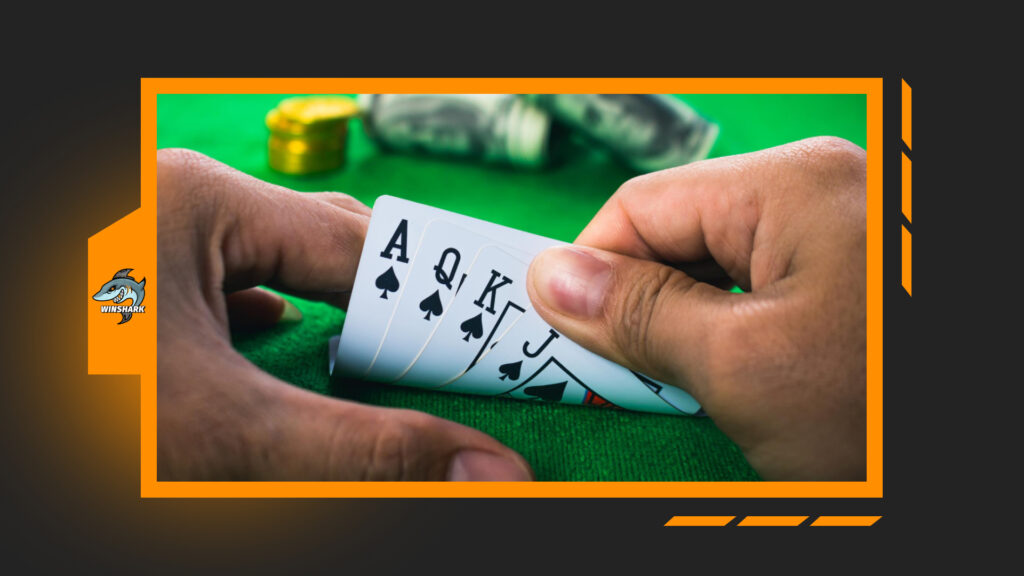
The combinations are poker-style patterns built from three cards. Most versions pay for a straight, a flush, three of a kind, or a straight flush. Some casino tables also list a premium category such as suited trips, which is three of a kind in the same suit.
Before listing examples, it helps to separate two ideas: recognition and frequency. The hand types are easy to recognize at a glance, but they do not occur equally often. That gap between “easy to see” and “rare to hit” is where the risk of this wager really lives.
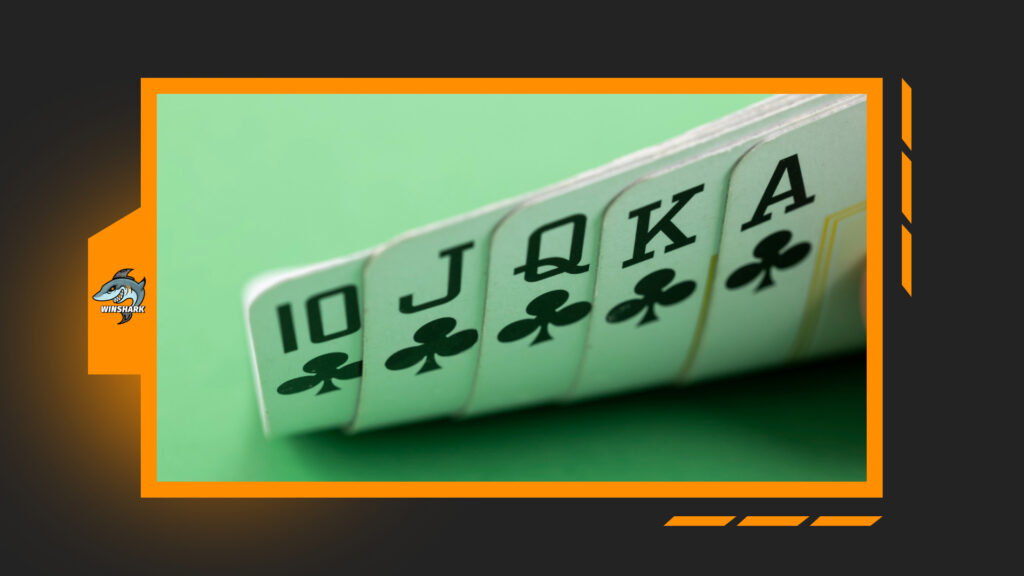
Typical qualifying hands are:
- A flush: the three cards share a suit.
- A straight: the ranks form a sequence.
- Three of a kind: the ranks match.
- A straight flush: a sequence in one suit.
Payout ratios vary by casino. Many tables use tiered payouts where the straight flush pays the most, while the flush and straight pay less. Other versions pay one flat amount for any qualifying hand. In online live games, the pay table is usually visible in the information panel, which makes comparison easier than at a crowded floor.
It is also worth noting the difference in “feel”. In standard blackjack, the most important outcomes happen when you make decisions and the dealer resolves the hand. With 21+3, the most dramatic moments are concentrated at the opening deal, because that is when the patterns are revealed.
How Payout Tables Change “Better” Or “Worse”
Because the add-on is a pattern wager, the pay table is the product. Two casino tables can share the same name and still behave differently over time. A schedule that pays relatively generously on common hands (like a simple flush) tends to feel smoother, while a schedule that reserves most value for the rarest outcomes tends to feel swingier.
This is also why players sometimes disagree when they ask whether the add-on is worth it. One person may be describing a table with a reasonable mid-tier payout, while another is describing a version where the mid-tier numbers are trimmed. The rules look similar, but the long-run cost is not.
If you want a neutral habit, read the posted payout schedule before you place the wager. It’s the fastest way to understand what you are actually buying: a frequent-small win profile or a rare-big win profile.
Where Table Rules Quietly Change The Experience
Two formats can look identical at first glance and still feel different after an hour. The reason is usually not the three-card mechanic, but a small rule detail sitting in the fine print. Some tables restrict which combinations qualify. Others keep the same qualifying list but adjust the payout ladder so that most wins come from the rarest outcomes.
A practical way to read the rule card is to ask one question: “What am I being paid for most often?” A schedule that pays something meaningful for a simple flush will create more frequent (but smaller) hit moments. A schedule that trims the lower tiers and pushes value to the top category will create longer dry spells. Neither approach is automatically “good” or “bad”, but they produce very different emotional pacing.
It also helps to separate “pattern recognition” from “probability intuition”. Humans are good at seeing patterns in three cards, and that makes the wager feel familiar. But familiarity can create a false sense of frequency. After you see two flushes in a short span, it is easy to assume the next one is “due”, even though each new deal starts fresh.
If you want a calmer way to evaluate the add-on, frame it like this: the main blackjack hand rewards correct decisions over time, while the add-on rewards a specific opening snapshot. That snapshot can be exciting, but it does not become more reliable just because the combinations are easy to name.
Finally, watch for the “blended outcome” mistake. A player might win the add-on and then lose the main hand and still walk away feeling positive because the early payout was loud and memorable. The reverse can happen too: a player wins the main hand but feels annoyed because the opening pattern missed. Comprehension of that emotional mismatch is part of understanding why these wagers attract attention.
Why Players Choose To Play It
This overview is not meant to promote gambling, but understanding motivation is part of explaining the feature. The add-on wager appeals because it adds a fast “bonus moment” at the start of a blackjack round without demanding extra skill or choices.
In a casino, the appeal can also be social. A qualifying pattern is visible to everyone, and the payoff moment is quick. In online play, the same moment is created through the interface: animated cues, sound, and instant settlement make the add-on feel dramatic even when the main hand is still undecided.
The trade-off is volatility. An add-on wager based on uncommon patterns will naturally produce more losing rounds between wins than the base game. That does not automatically make it “bad”, but it does mean it behaves very differently from standard blackjack.
Common Blackjack Mistakes To Avoid
Most blackjack mistakes around this add-on are misunderstandings, not “wrong moves”. They tend to come from blending the main hand with the add-on and expecting them to act like one combined wager.
Common blackjack mistakes include:
- Thinking hit card(s) change 21+3, when only the opening three-card set count.
- Assuming a win on the side bet predicts a win in blackjack.
- Skipping the pay table and assuming every casino uses the same numbers.
- Treating a rare payout as if it should happen often.
Once those points are clear, it becomes easier to keep expectations realistic at the table, whether you are in a casino or playing through a live dealer feed.
Conclusion
This add-on is a side bet in blackjack that evaluates a three-card poker pattern from your two starting player cards and the dealer’s upcard. It is settled immediately after the first deal, and it does not change your decisions in the main hand.
One more nuance: this add-on is often judged by how it “feels”, not by how it behaves. Because the result lands before the round develops, it can shape your mood for the rest of the hand. In blackjack, mood matters because it affects how patiently you follow the basic flow of decisions and how clearly you track what is happening.
To understand how it works in practice, focus on two things: which three cards are used, and which payout table the casino applies. If you treat the add-on as a separate, high-variance add-on rather than an “upgrade” to blackjack, the format becomes straightforward simple rules, fast outcomes, and a risk profile driven by the pay schedule.
 How To Play
 Slots
Slots Popular
Comments
Be the first to leave a comment!