
How RNG Technology Ensures Fair Play in Online Casinos
 How To Play
 Slots
Slots Table games
When you open an online casino and tap spin, the result can feel personal, as if the game reacts to your timing. It does not. Modern games use RNG to create outcomes that cannot be predicted by players or influenced by habits. This is the foundation of trust in any casino that offers digital play online.
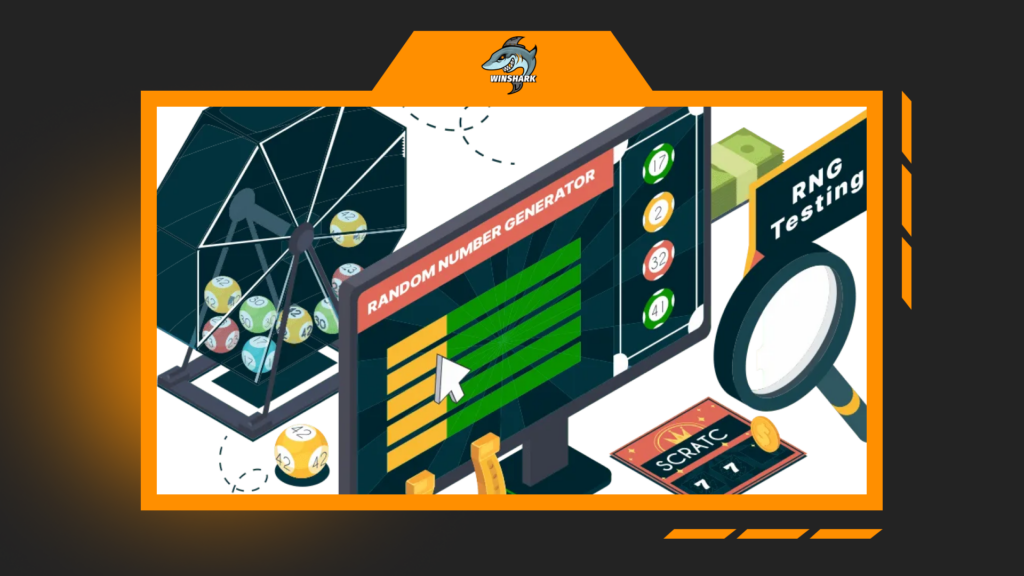
In simple terms, RNG meaning is about controlled randomness. The game takes a value produced by a random number generator and converts it into a card, a wheel result, or a reel stop. If you have ever asked what is RNG in gaming, think of it as the behind the scenes engine that keeps each round independent in an online environment.
What RNG Meaning Is And How It Works In Online Casinos
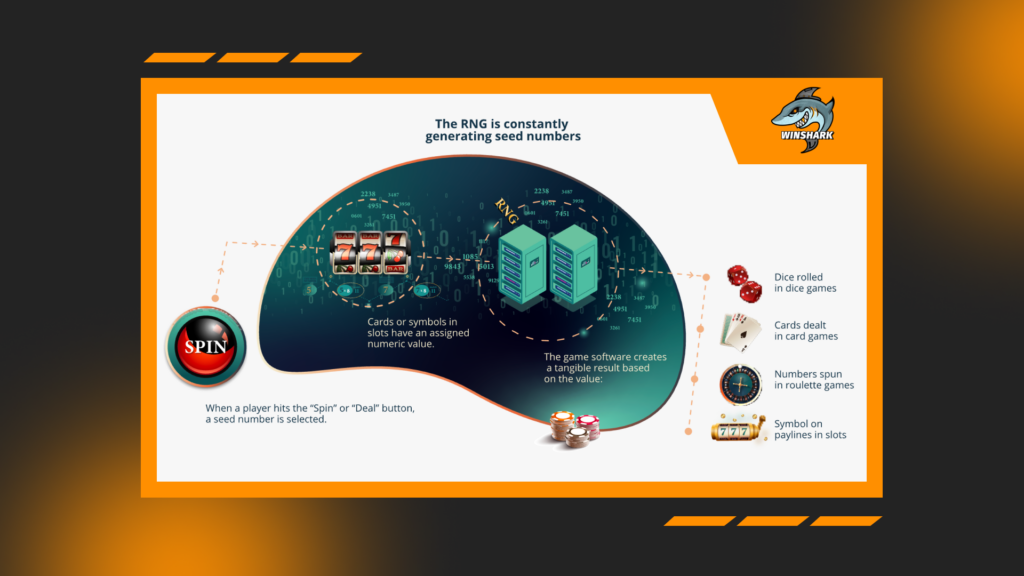
The RNG meaning is not “magic luck”. It is a method for producing numbers in a way that is statistically unpredictable. A random number generator runs constantly, creating a stream of values. When you click a button, the software grabs the next value and uses it to pick an outcome.
This matters because players often assume the site “remembers” what happened earlier. A properly built RNG game does not work like that. The logic does not look at your last spin, your deposit size, or how long you stayed on a page. Each action is treated as a fresh request for a new outcome.
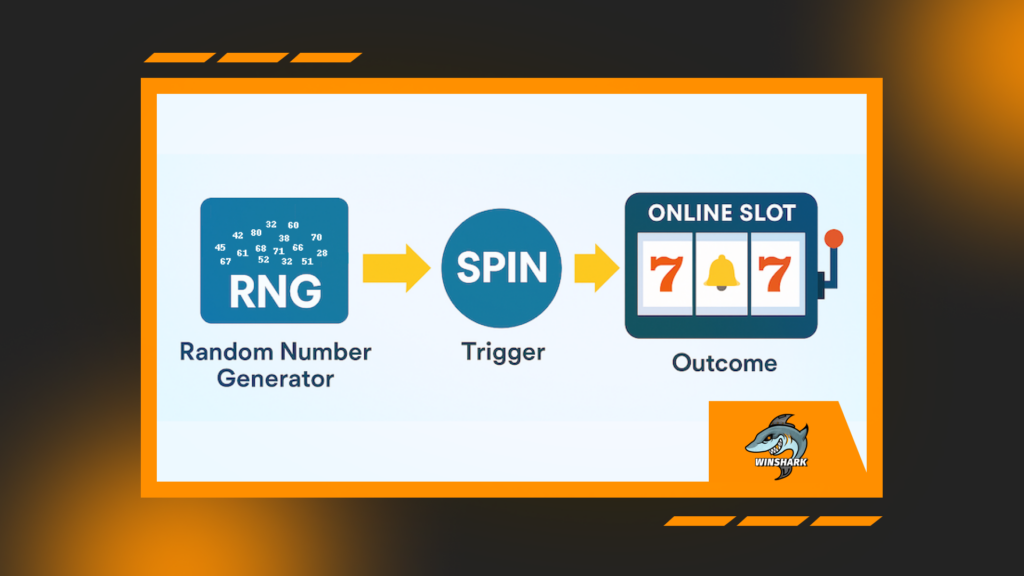
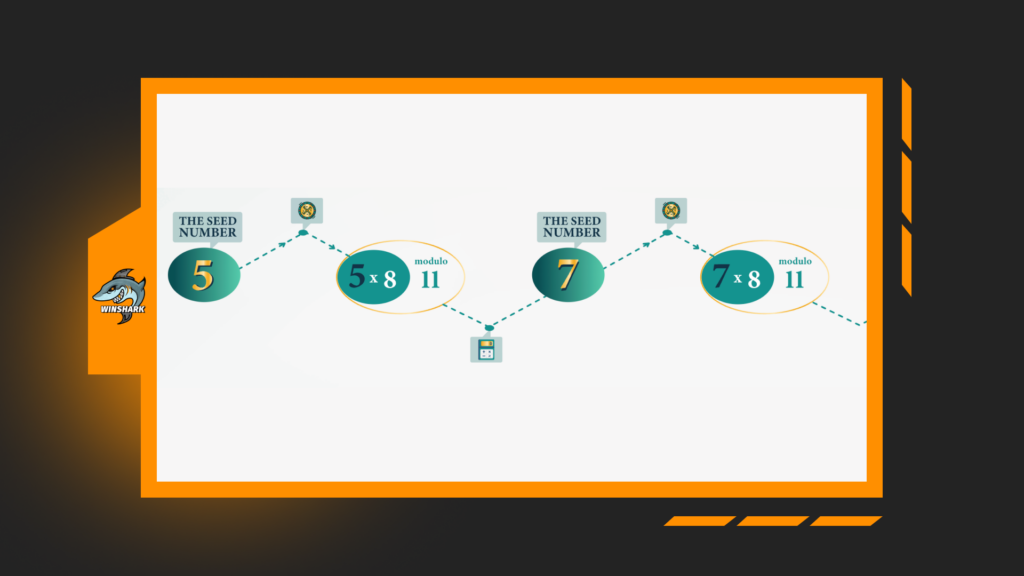
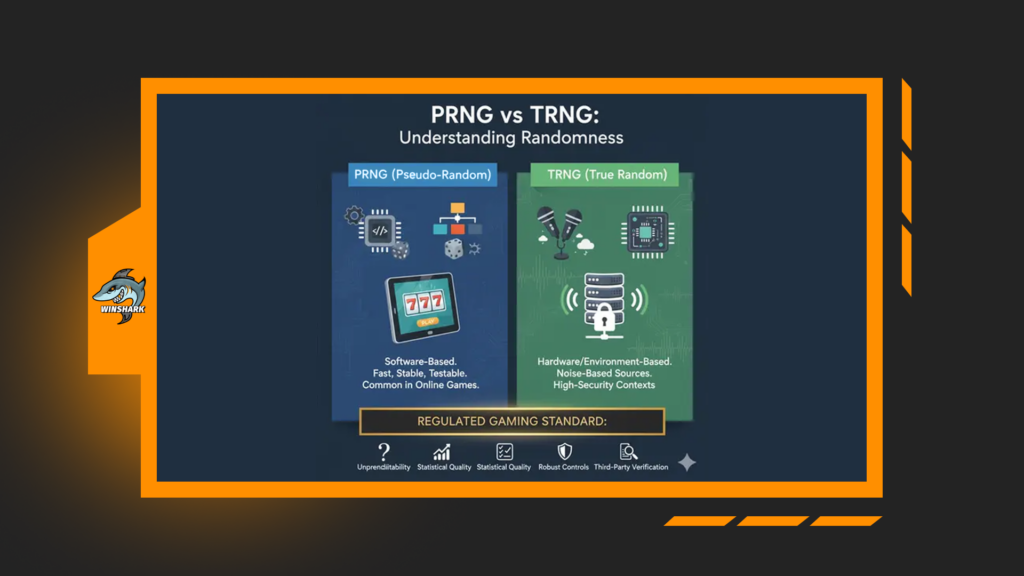
Most platforms use a pseudo random approach, meaning the generator follows an algorithm. “Pseudo” does not mean fake. It means the numbers come from math rather than from a physical device. What matters is how well the output behaves: it should be hard to predict and it should match the probabilities the game claims.
In regulated markets, the casino operator usually has to prove that games behave as advertised. That includes checks on the generator and checks on how the game maps numbers to results. In other words, a platform earns player confidence when its game rules and technical testing are clear.
RNG In Slots Vs Table Games
People often use one label for everything, but different formats translate random values in different ways.
Slots
Slots are the classic example of an RNG game. The reels you see are animations. The outcome is decided the moment you press spin, using a number selected by the system. The software then shows a reel stop that matches that outcome.
This is where RTP and volatility enter the conversation. RTP is a long term return measure built into the math, while volatility describes how wins are distributed. The generator does not “choose” to be kind or harsh. It simply selects from outcomes according to the game design.
If you are learning what is RNG in gaming through slots, focus on one idea: the spin result is not based on skill, timing, or a pattern you can read online.
Table Games
Table titles can be split into two broad groups:
- Digital tables that simulate cards or wheels with software
- Live dealer tables that use real equipment and cameras
In a digital blackjack or roulette title, the game logic can decide the card order or the wheel result. In live dealer play, the main result comes from real cards or a real wheel, although side features may still use software to choose a multiplier or a bonus.
This is why you will see the same casino offering both styles online. One is built around code driven outcomes, and the other is built around physical outcomes with a digital interface. Across both styles, you will still hear people talk about RNG casino games. Usually they mean titles where software decides the core result, not a human dealer.
Is It Really Fair And Random?
A common worry is that a game is “rigged” because a session feels cold. But fair randomness can look unfair in short samples. Streaks, droughts, and repeat results can happen naturally, even when the system is healthy. Fairness comes from a few practical principles:
- Independence: one round does not depend on the last
- Consistency: large samples match the stated probabilities
- Testability: results can be analyzed by third parties
That last point is key for player trust. In many jurisdictions, labs run statistical tests on the output of the random number generator and also review how the game turns numbers into outcomes. A casino that follows this process gives players a stronger reason to trust what happens during play.
Still, “fair” does not mean “profitable”. The house edge remains. Fairness means the edge is applied through probability, not through targeted manipulation.
What Happens Between Your Click And The Result
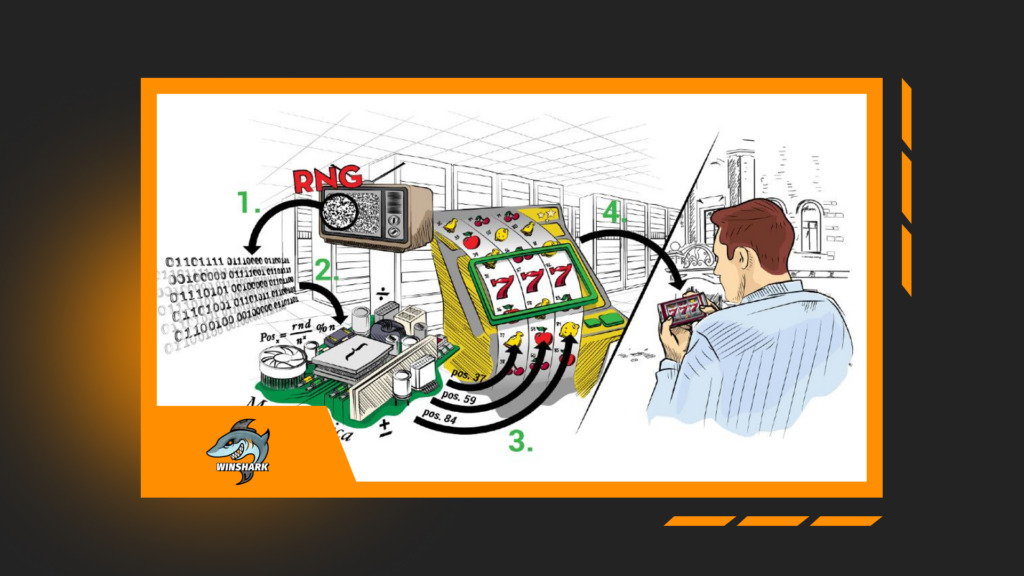
It can help to picture the process as a short chain of steps. First, the game records your action and confirms you have enough balance for the wager. Next, the software pulls a single value from the running stream and passes it to a “mapping” layer. That layer translates the value into something the game can display, such as a reel stop, a card draw, or a wheel segment.
After that, the game calculates the payout based on the rules you can see in the paytable or help screen. If a feature is triggered, the same approach is repeated inside the feature. The important point is that the decision is made before the animation finishes. The visuals are there to communicate the outcome in a fun way, not to create it.
Because the process is automated, good operators add safeguards. They log events, monitor unusual patterns, and keep version control so a game update cannot silently change the math. This is also why reputable platforms publish game rules clearly and keep responsible play tools easy to find.
For players, the practical takeaway is simple. Judge games by what you can verify: rules, payout terms, and the credibility of the operator. Avoid chasing “systems” that promise control over chance, and treat variance as part of the experience.
Common Myths About RNG And Winning
Discussions about fairness often create strong opinions, especially after a short winning or losing run. At the moment, it is easy to connect events into a story and assume there must be a hidden rule behind the results. The myths below are popular because they feel intuitive, but they do not match how modern games are designed to behave.
- Myth — “After a big win, the game tightens up”: A fair RNG game does not adjust because you hit a bonus. What changes is your expectation.
- Myth — “If you wait before spinning, you can catch a better number”: Timing tricks do not work because the system runs continuously online. You cannot sync your click to a favorable moment.
- Myth — “A losing streak means a win is due”: This is the gambler’s fallacy. A casino round is independent, so a streak does not create a debt.
- Myth — “You can spot a pattern that beats the system”: Humans see patterns in noise. In an RNG game, short runs may look meaningful, but they do not provide a reliable edge.
- Myth — “Only slots use this technology”: Many RNG casino games include digital roulette, blackjack, baccarat, and video poker, where software decides the outcome.
Most myths are attempts to explain short sessions with simple rules. In reality, a fair system can look strange in the short run. The safest approach online is to pick a licensed casino, read the rules, and set limits you can follow.
Conclusion
RNG is the core fairness layer for many digital titles. The RNG meaning is practical: it describes how games use a random number generator to produce unpredictable outcomes. When you understand how an RNG game works, you stop chasing patterns and start making better choices about where and how you play online in a casino.
 Roullete

Comments
Be the first to leave a comment!