
Learn how to effectively manage your online casino budget
Bankroll management keeps play steady with clear limits and calm focus. At Winshark, a short written plan cuts stress, saves time, and keeps money choices tidy in the online casino. Set caps, split sessions, and fix stakes so swings stay smaller and choices stay clean in the casino. The goal is simple fun backed by easy rules for busy days and quiet nights.
Start with a test month and track what works online without pressure. Write your start stack, stop points, and target time for each block before any spin. Review notes weekly and change one small thing instead of rewriting the plan. Over time, bankroll management becomes a habit that protects cash and energy on mobile and desktop.
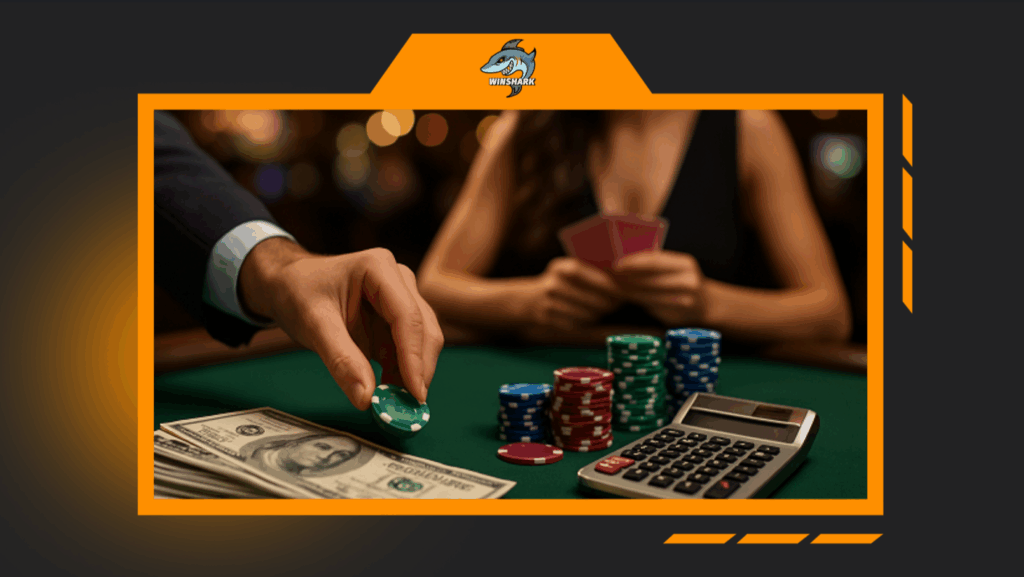
What is a bankroll and why it matters
This fund is money set aside only for games, never for rent, food, or study. Keeping it separate lowers stress and, with steady bankroll management, stops chasing after a rough session. Keep the fund in a wallet or sub-account and keep rules firm, not emotional. Clear borders turn play into paid entertainment in any casino, not a bill or hidden debt.
New players ask how a separate fund works day to day and why control improves. The short habits below keep the wall between hobby money and bills strong. Each step takes little time yet builds a firm frame for safe play over weeks. Save these points in notes and check them before each session.
- Use one payment route for the fund and a different route for bills.
- Store login data safely and enable two-factor where possible.
- Post your spend and time rules on a card near the screen.
- Review numbers weekly and freeze changes for a full month.
Strong routines grow from small visible steps repeated even on tired days, at home and in the casino. A quick review makes risk clear and cuts snap choices after loud wins. The same approach works at home and in a bright casino lobby. Over months, small habits add up to calmer play and better sleep.
How to define the right size for the fund
Start from income after rent, food, transport, and fixed bills, then add a small cushion. The money left for leisure is your fun pool, and only a small slice should go to games. Pick a range that never touches savings goals, study needs, or family duties. If the number feels tense, cut it until breathing slows and focus returns.
Life shifts, so sizing needs a monthly test cycle. Job changes, exams, or family duties can cut time and energy fast. The steps below help you find a safe number and keep it stable during busy times. Use the cycle each month and let the habit carry the load.
- List fixed costs, any debt, and a safety buffer.
- Mark free cash and choose a small starting slice.
- Test for one month with honest notes and no top-ups.
- Adjust downward if stress grows; raise only after a calm month.
Review matters more than the first pick because honest math builds trust. An easy plan survives tight weeks; a hard plan breaks early. Online, where play sits one tap away, clear and light rules beat fancy ideas. Keep the frame simple enough to follow on low-energy days.
How to set a budget that fits your month
A budget sets two caps: money and time. Set a monthly limit, split it into weeks, and write a stop rule for each week. When a cap hits, finish the round, close the app, and walk away for the day. Notes turn vague wishes into practical promises.
Busy weeks will come, so link the plan to a calendar and shorten blocks when needed. Add a five-minute pause halfway through each session to reset focus and breathing. Use a timer and, for online sessions, park the phone on a table between spins to cut impulsive taps. In the long run, energy management beats a short jump in wins, especially on busy casino nights.
Before practice begins, condense the budget into a compact checklist. Each line should read in ten seconds, which helps under stress. Check the lines at the door of every session and stick to them. Items below cover what most players need for steady control.
- Month to weeks to session blocks with fixed sizes.
- Money and time stop being placed in one visible spot.
- Reminders set before the session and midway through.
- Close the app once a stop hits; no “one more spin”.
A written budget removes guesswork and frees willpower for real life. The same frame works in a phone browser, an online client, and a desktop client. With practice, steps feel natural and the timer becomes a friendly nudge. A calm budget turns the online lobby into a place to visit, not a place that pulls attention in.
How to split the budget into clean parts
Divide the fund into many small sessions so one cold patch cannot drain the month. A steady profile often uses twenty to forty blocks, shaped by free time and risk comfort. Write a start stack for each block, add loss and win stops, and save the card in notes. Small promises prove easier to keep than vague goals.
Session styles can match mood and energy, which keeps flexibility without chaos. Calm blocks with a lower stake help during heavy weeks, while short peak blocks add spice on free nights. Rotate games so symbols stay fresh and boredom does not push risky jumps. Clear splits let the routine bend without breaking when life grows loud.
To speed choices, outline a few block types available at a glance. Keep names short and rules even shorter for quick setup. Pick one type per day and follow it from start to finish. Templates below serve many players and fit most schedules across casino titles.
- Warm-up block: low stake and longer time.
- Focus block: fixed stake and medium time.
- Peak block: tiny stake, short time, tight exits.
- Cool-down block: quick review and next-week plan.
After several weeks the mix that fits mood and energy becomes obvious. Adjust the share of calm and peak blocks based on sleep, study load, and general stress. Note why a day felt easy or hard to plan better next week. Flexible splits guard the fund while schedules keep changing.

Bet sizing that stays simple
Stake size controls swing more than theme or soundtrack, so keep sizing plain. A fixed stake per spin serves most players because sudden jumps after wins or losses stay off the table. A percentage stake around half to one percent of the session stack adapts to changes and smooths drawdowns. Fans of math can study edge-based rules for skill games, while pure chance modes benefit from simple fixed stakes.
Avoid stake jumps meant to chase losses or press hot streaks; such jumps corrode control. Disable auto-play until hands know the buttons by heart, then pair it with alerts. Read stake settings at the start of each block to confirm alignment with the rule. Slower hands produce smarter moves in a busy online lobby.
Before testing numbers, write a short sizing menu that remains firm under emotion. Treat the menu as a small contract, not a soft guideline. Re-read it whenever feelings heat up or focus dips. Options below cover most steady setups.
- Fixed stake per spin for a stable pace.
- Percentage stake to adapt when stacks change.
- Hard ceiling per spin as a final guard.
- No increases after wins or losses.
Sizing feels dull at first, yet dullness here signals safety and longer play. When stake remains steady, session notes are read cleanly and comparisons become easy. Clear notes reveal which games fit each mood without guesswork. Solid sizing forms the quiet heart of sound bankroll management, reinforcing everyday bankroll management habits.
How a bonus can support your plan
Promotions add value only when terms match pace and written limits, so read conditions before opting in. A bonus helps when time windows, wagering, and game weight align with normal sessions; a bonus harms when rules force bigger stakes or longer blocks. Choose deals that fit routine, skip the rest, and avoid rush near deadlines. The right bonus stretches a session a little; a poor one turns a calm week into a grind.
Offer pages often look complex, therefore focus on four items first. Check time limits, wagering, game weight, and caps on wins or bets. Compare numbers with block size and stake rules without bending the plan. The filter below keeps choices clear and stress low.
- Read time limits and wagering first.
- Check game weight, bet caps, and win caps.
- Compare with normal block length and stake size.
- Decline any deal that strains limits or exit rules.
When offers line up with routine, value grows without pressure in the casino and inside an online account. If rules push past a stop, close the page and keep peace of mind. Real control comes from the plan, not from banners in a crowded lobby. Steady habits preserve fun across many months.

Common mistakes and how to avoid them
Chasing after a loss run sits atop the danger list because emotion pushes stake size up while the plan shrinks. The fix remains simple: lower stakes or stop for the day, then review notes later with a cool head. Another trap appears when the time box gets skipped, which produces sloppy clicks and poor choices. Alarms and short breaks remove that risk when used every session.
Many people mix hobby money with bills and notice the leak only weeks later. Reading rules once and forgetting them also hurts, since terms can change. Copy key lines into notes and glance at them before a new run. Imitating strangers on social media rarely works because goals and limits never match.
To make danger zones visible, keep a small watch-list near the screen. Read it before starting and mark any line triggered during a session. Items below reflect patterns that cause most pain; use them as a quick brake when a day starts to slide.
- Chasing and stake jumps after a loss or a rush.
- No time box or skipped breaks during long blocks.
- Mixing hobby money with bills and rent.
- Copying someone else’s setup without context.
Early detection keeps fixes small and weeks calm. If the same line lights up often, adjust the plan where stress begins. Ask a friend to read notes when a fresh angle would help. A steady routine keeps errors rare in a lively online casino.

Sample plans for different fund sizes
Pick a template that fits time, energy, and comfort with swings. Each plan relies on simple rules, clear exits, and short notes after play. Start with one path for a full month before changing any numbers. Consistency makes results easy to read and keeps effort low.
- Small steady fund. Split the month into twenty sessions with calm settings and short blocks. Use a fixed stake that feels tiny and keep exits strict for both wins and losses. Practice new titles in free mode and avoid late-night runs when focus fades. The goal is wide experience and a low-stress routine rather than a big week.
- Medium hobby fund. Spread thirty to forty sessions across the month and keep one short peak block per week for variety. Write a card for the block with a fixed stake, a time box, and both exits, then follow it. Track mood beside numbers to catch tilt before it grows teeth. Review on Sundays and trim whatever felt heavy.
- Large careful fund. Run forty to sixty blocks with a percentage stake and a hard ceiling per spin. Mix calm games with a few higher-swing sessions on free evenings, while exits stay tight. Add a weekly audit of notes, sleep, and stress to adjust the next seven days. Pride remains outside the door; the plan guides every choice.
Choose one template today and copy it into notes with times and stake rules. Set reminders for weekly reviews, then follow exits without debate. If a week feels heavy, shrink the next block size instead of quitting altogether. Calm tweaks beat big swings and help the habit grow across seasons.
Responsible play checklist for a healthy routine
Fun comes first, not profit, and every spin counts as paid entertainment. Fix time and spend limits before the first click and keep them visible during play. Small promises beat guesswork during loud streaks and protect the next morning from regret. Clear rules also support real-life goals outside screens.
A compact plan keeps pressure low even during busy weeks. Set clean limits, learn rules in free mode, and schedule breaks. Use tools that track time and spend so memory does not carry the load. When emotions heat up, edges blur quickly, and firm rules restore judgment.
- Learn the game loop before any spend and lock settings under control.
- Pick a cap and stop when it hits, after a win or during a dry patch.
- Avoid chasing, lower stakes on tired days, and keep breaks on schedule.
- Log mood and time, not only money, then adjust next week based on notes.
If stress rises or focus slips, pause and step away for a full break. Review the spend log and cool down before any next session, even a demo. Enable built-in limit tools, turn on two-factor sign-in, and protect personal data. Adults only; if pressure grows, contact support or a regional counselor.
Closing a session on time builds trust in the plan and keeps energy for daily life. Save two lines about what felt good and what felt hard, then leave the app. Return only when rested and ready to follow limits again. Calm routines turn a noisy pastime into gentle fun that lasts for years.

Final checklist
The summary below converts the guide into actions that run smoothly every time. Treat the card like pre-flight rules: read each line, confirm it, and commit before play. If a step feels heavy today, scale it down instead of skipping, since consistency outruns size. Small wins stack into durable routines that protect mood, schedule, and future sessions.
- Write the monthly cap and split it into weeks with clear time boxes.
- Create session cards with start stack, stake rule, and exits for wins and losses.
- Turn on alerts, cool-downs, and deposit caps in account settings.
- Track mood, time, and money, then review each Sunday and adjust.
- Accept an offer only when rules fit the routine and do not strain limits.
- Walk away on any stop hit and celebrate control as a win of its own.
When the routine stabilizes, add gentle improvements and keep a weekly review to catch blind spots early. If pressure rises or focus dips, pause, shrink the next session, and return only when rested. Celebrate control as much as results, because control preserves sleep, energy, and joy. Long-term enjoyment grows from quiet, repeatable choices made one day at a time.
Closing thoughts
Clear rules beat hunches, and steady notes beat bursts of excitement that drain energy. Sound bankroll management provides a simple frame for play and balances emotions while reels spin. Protect the bankroll with calm splits, small stakes, and exits that trigger without debate. Peace grows from patient routines, turning a noisy pastime into a light, happy part of life.
 How To Play
 Roullete


Comments
Be the first to leave a comment!