
The Secret To The Popularity Of Crash Games Among Young Players
 Popular
A format once tucked into niche corners has become a headline act: the crash format. The appeal is stark and simple: a multiplier climbs, a crash can hit at any second, and you decide when to bail. That tiny, high-stakes choice turns spectators into participants. In shared lobbies, rounds unfold in sync for everyone, so the tension is shared rather than solitary. Compared with reel-based titles, the loop feels closer to a rhythm challenge than a dense rulebook. Because the decision happens after you stake, each round turns into a micro-test of timing rather than a passive reveal.
This article moves from definitions to variants, then into psychology, advantages, examples, and safeguards. By the end you’ll know what to look for before you play, how to set pacing that fits your mood, and where newer twists differ from the originals. The goal is not to hype crash casino games but to give you a practical map for confident sessions.
What Are Crash Games?

At the core of crash casino games sits a single state variable: a multiplier that starts at 1.00× and rises along a curve. You place a stake, the value climbs, and you cash out before failure or you hold and risk losing the round. That’s the entire loop, rendered as one number that anyone can read at a glance.
The math stays random and regulated, yet presentation is social. In most online rooms, the countdown, visible exits, and a shared chat create a small burst of theater each round. Compared with long paytables in some titles, the minimal interface feels approachable. And unlike many slots, the key choice occurs during the reveal, not only before it.
Which Variants Exist?
Studios iterate on the same backbone to keep flow fresh. The classic one-cashout round is the entry point, but several twists recur: multi-cashout staking, “team” milestones for the whole room, and auto-play rules that predefine exit targets and rescue thresholds.
Because crash casino games run on synchronized rounds, set dressing matters. Some builds lean minimal line charts, crisp numbers, and decisive buttons. Others go cinematic with vehicles or mascots. In both cases, a good online lobby prioritizes timing clarity first and spectacle second so the experience stays readable inside a regulated casino.
Why Are Young Players Into It?
Three elements line up. First, clarity: the rules fit on one screen, so two rounds of spectating teach the basics. Second, agency: exits are your decision and visible to everyone, which makes good timing feel earned. Third, pace: rounds finish in seconds, matching short breaks and commutes without demanding a long sit online.
That combination matches the habits of mobile-native audiences. The shared timer creates “we were there” moments that chat reacts to in real time, while timing-based decisions feel more practical than memorizing tables. For veterans of slots, this immediacy is refreshing; for people who prefer slower rhythms in a casino, it’s a lively alternative you can dip in and out of.
What Are The Advantages?
The format’s biggest strength is legibility. One rising number and a binary choice lower the barrier to entry. You can test exits in demo mode, set auto-rules, and grow targets as comfort increases. Because rounds happen together, observation helps watch when experienced players cash out and when they stretch for bigger multipliers.
A second advantage is flexible rhythm. On a focused day, chase an ambitious plan; on a tired day, use conservative auto-exits and let the tool enforce calm. Compared with some table-style formats, personal pacing options feel empowering. And relative to many slots, the interface keeps the whole story on one surface, which reduces scanning and prevents impulsive clicks during lively online evenings.
Examples Of Common Builds (And Why They Feel Different)
Before the specific skins, remember that feel comes from more than theme. Two builds with identical math can diverge because of camera framing, numeral size and contrast, input latency, cash-out button placement, and sound-envelope timing. Strong builds keep the rising value legible at a glance, place the primary action within thumb reach, and confirm exits unambiguously; weak ones bury cues behind spectacle, raising stress without adding depth.

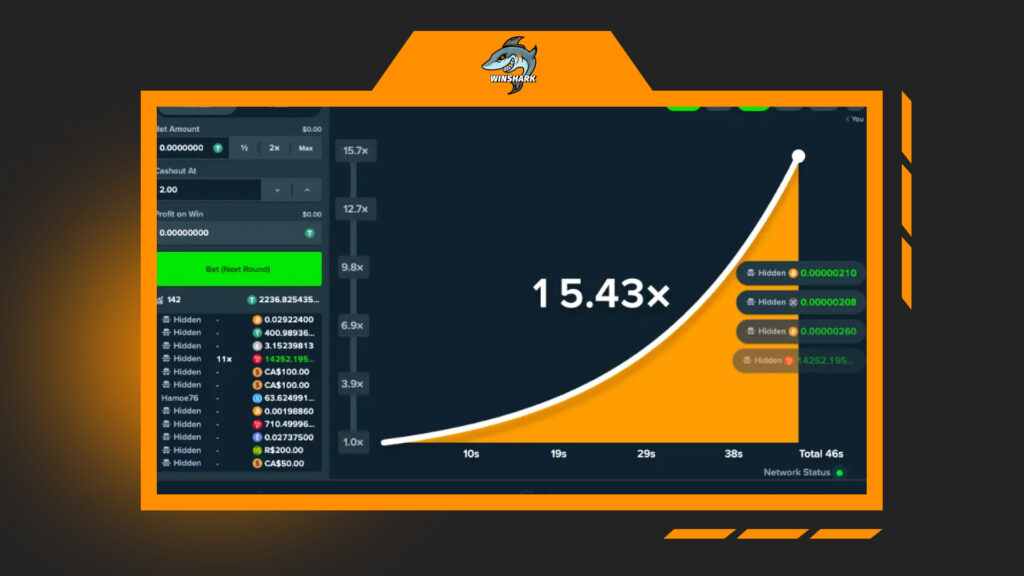
- Line-graph climber. A bare chart climbs until failure. Emotion comes from numbers alone ideal for precision-minded players.
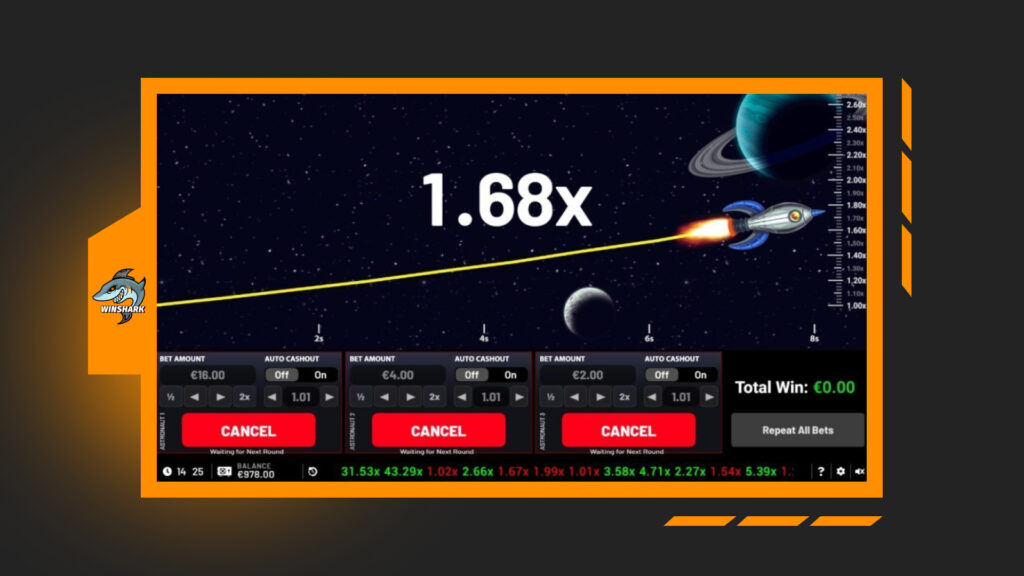
- Rocket/jet ascent. A vehicle takes off while a subtle engine track mirrors the curve. The theme adds suspense without hiding targets.
- Character runner. A mascot sprints and stumbles on crash; visual cues make late exits feel daring, which helps beginners learn faster.
- Grid variant. A tiled board marks safe exits while the multiplier rises, making it easier for groups to split stakes and coordinate exits.
Although front-end skins differ, strong rooms share traits: latency-friendly inputs, readable buttons, and crisp receipts. High-contrast numbers and unmistakable “cashed out” states matter more than flourish when the heart of the round is a single click under pressure. If you’re moving over from reel games, expect a snappier cadence. Start with modest targets, try two or three builds, then decide which tempo suits your online sessions best. A measured approach keeps the casino experience steady even when the lobby gets lively.
What To Check In A New Lobby
Before the first stake, scan three signals that predict a calm experience under pressure: timing clarity, input feel, and feedback quality. If you can read the rising value at a glance and reach the primary action without shifting grip, you’re already reducing last-second errors.
Define each signal quickly. Timing clarity = legible numbers and stable framing. Input feel = instant acknowledgement on tap (state change, haptic tick). Feedback quality = an unambiguous “cashed out” receipt, a brief reason when something fails, and a compact log of recent rounds. When all three feel crisp, the learning curve shortens and confidence grows.
Reading The Curve: Micro-Signals
Two builds with identical math can feel different because of motion choices. A smooth ease-out keeps tension steady; a staccato wobble makes late exits feel riskier at the same value. Camera crop and number size also matter, tight framing and big contrast reduce scan time when decisions get tight.
Audio and typography layer on top. Short, low-volume ticks support pacing; sweeping rises can inflate arousal at the wrong moment. Good kerning and consistent countdown rhythm nudge decisive clicks; messy spacing invites hesitation. If you notice your eyes hunting, the UI is stealing milliseconds you need for timing.
How Does It Compare To Other Formats?

Relative to reels, you trade symbol complexity for a simple risk slider. You lose the combinatoric spectacle of slots but gain second-by-second control. Fans of decision-dense play enjoy that trade; people who like lean-back sessions may prefer reels. Both modes rely on the same fairness standards; presentation changes perception, not probability.
Compared with classic table formats, crash adds more choices per minute. Some people love that active feeling; others prefer slower rounds with built-in thinking time. If you tend to over-commit during hot streaks, use automation: pre-set exit points, caps per session, and a reminder that nudges you to pause. A little scaffolding preserves fun without drama in a lively online room.
Beginner Mistakes To Avoid
Newcomers repeat five errors: chasing after a sharp loss, raising stakes right after a lucky round, changing plans during the countdown, ignoring auto-rules that enforce consistency, and playing through fatigue. Each mistake compounds because rounds arrive quickly, leaving little room to reset.
The fix is procedural. Set a base exit, route a small slice to a stretch goal, and let automation execute both. Pause after clusters of quick rounds to cool off. Journal ten exits target vs. actual to spot drift under pressure. A light ritual like this keeps emotion from steering the session.
Bankroll, Pacing, And Simple Tactics
Treat exit targets as waypoints. Many start with a base cashout like 1.30× on most of the stake, then route a small slice toward 2.00× or 3.00×. That blend creates frequent wins while leaving room for an occasional surge. Another tactic is the “two-stop” plan: an early safety and a later ambition both mapped to auto-rules so nerves don’t rewrite the plan mid-round.

Keep the mental game clean. A tough loss streak doesn’t mean a reversal is due; each curve is independent. If adrenaline creeps up, step away, hydrate, and reset. Tools in many rooms track recent exits and help you spot whether you’re pressing too hard. Used well, these features turn crash casino games into a controllable way to enjoy suspense in online play. And if you rotate between genres, the same discipline applies across genres: small stakes, clear limits, and no decisions while distracted.
Safety, Transparency, And What To Check First
Look for disclosure. Solid rooms document how outcomes are generated, link to audit results, and where supported offer provably fair verification. History logs should show previous multipliers and exact exit timings. That baseline transparency is what careful players expect across genres, whether the lobby hosts reels, tables, or anything in between.
Then check ergonomics: latency handling, button states, and error recovery. A good online room confirms cashouts with an unmistakable receipt; a great one also shields you from misclicks with a brief confirmation window that doesn’t slow you down. Inside the casino layer, expect clear language on limits, identity checks, and payout windows. These ordinary details do more to protect a pleasant evening than any theme ever will.
Social Layer & Etiquette
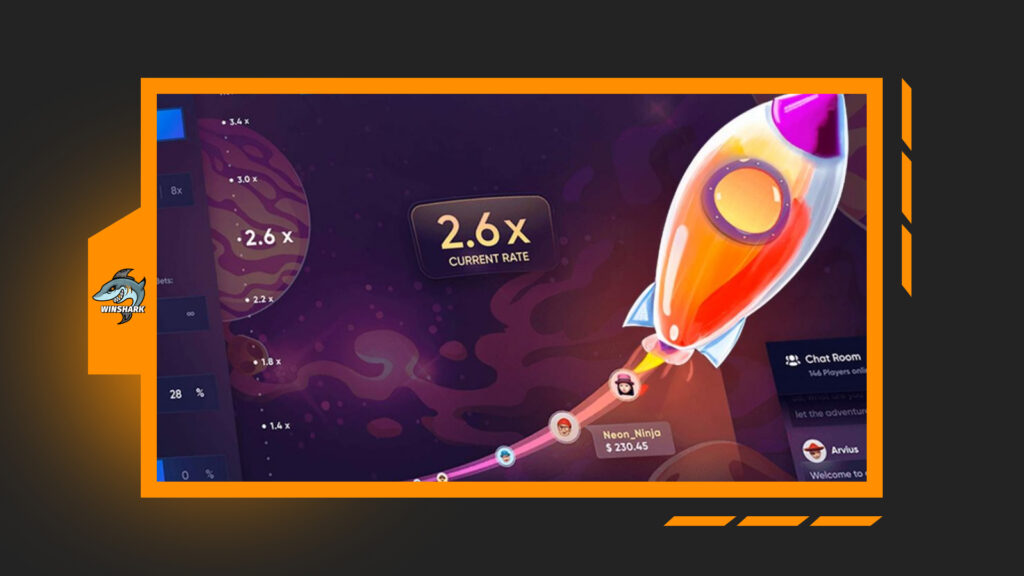
Shared rounds work best when the room stays helpful. Celebrating smart exits, explaining reasoning in one line, and avoiding pressuring others to hold longer taunts raise collective stress and lead to worse choices for everyone.
Keep clarity over bravado. If someone asks a basic question, point to the help panel or a round log instead of improvising odds. Report obvious spam, mute distractions, and model calm chat tone compounds during peak traffic.
Quick Glossary (For First-Timers)
Use this pocket glossary as a quick translator while you learn the flow. Skim it once, then keep it handy so new terms never slow your decisions in the moment.
- Multiplier. The rising value displayed during each round. It starts at 1.00× and increases until failure. Your payout equals stake × the value at cashout.
- Auto-exit. A rule that cashes out for you at a preset target. Helpful when nerves or distractions might derail timing.
- Rescue point. A lower, safety-first target used alongside a higher ambition. Protects from late hesitations.
- Turbo / calm modes. Speed presets that adjust animation tempo and sound energy. Pick a calmer preset if you feel rushed; use a faster one only when you can focus.
- Round log. A simple history that lists recent multipliers and cashouts. Useful for reviewing decisions and spotting fatigue.
- Volatility band. A plain-English label for how spiky outcomes feel over time. Not a guarantee, just a guide for choosing a comfortable pace.
Keep refining this list with any house-specific terms you encounter. The faster you can decode interface language, the more attention you’ll have for timing and discipline.
Frequently Asked Questions
Is Crash Easier Than Reels?
Not easier, just different. If slots feel too passive, the timing choice in crash may feel more engaging. If you prefer longer arcs and less clicking, reels might suit you better. Try demos, then decide by feel.
What’s A Realistic Cashout Target?
Many anchor around 1.20×–2.00× for most of a stake and send a small piece to a higher goal. Adjust by mood and session length. For brief online breaks, conservative exits reduce stress.
Do Auto-Cashouts Help?
Yes. Automation removes last-second wobbles and enforces consistency. Pair it with a session cap and a time reminder to keep things tidy inside the casino setting.
Can I Treat This As Income?
No. As with other games, there’s no risk-free path to steady profit. Play for entertainment, set limits, and stop when the budget is done.
What Should I Evaluate Before Trying A New Lobby?
Check fairness disclosures, log quality, input latency, and how clearly exits are confirmed. A two-minute review can save you frustration during a busy online evening.
Conclusion
Simple rules, shared suspense, and second-by-second choices explain why the crash format resonates with a mobile-native generation. Learn the loop, practice with conservative targets, and use tools that keep your plan intact. If you enjoy reels, the format sits alongside slots as a change of pace; if you prefer decision-heavy play, the straight line from stake to exit will feel natural. Whatever you pick, let fun outrun hype: protect the bankroll, guard your time, and keep sessions light one round at a time.
 How To Play
 Slots
Slots


Comments
Be the first to leave a comment!