
How to Read the Roulette Table Layout for Better Wins
 How To Play
 Roullete
Roulette looks friendly: a neat grid, two colors, a spinning ball, and that surely I’ll hit red eventually feeling. But the truth is the felt is a risk map, not a decoration. Once you understand the roulette table layout, you stop placing chips randomly and start choosing where you want your variance to live: smoother, steadier sections for longer sessions, or tight clusters when you’re intentionally hunting bigger swings.
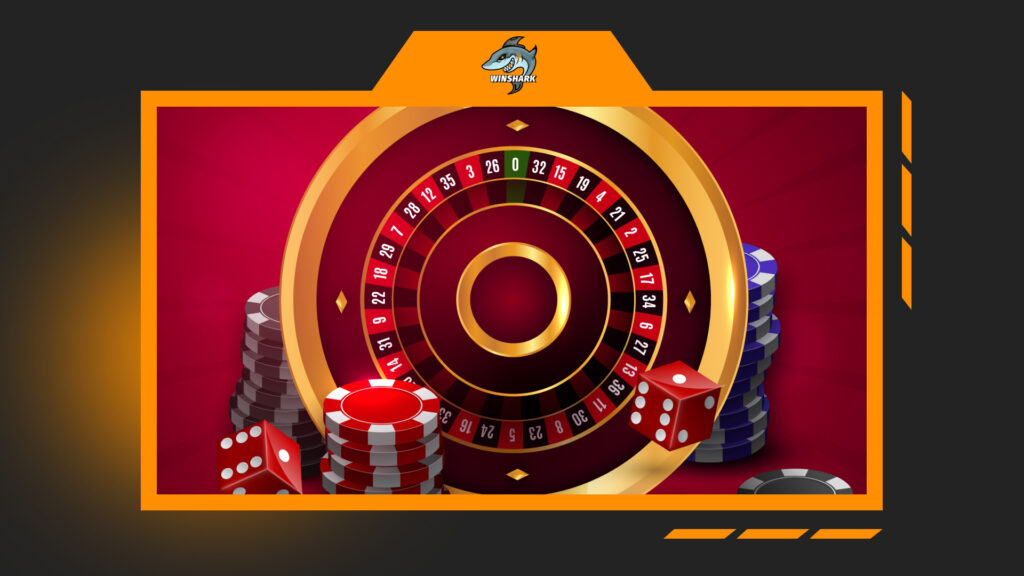
This guide breaks down the physical mat and the math behind it so you know exactly what each area means, what it pays, and what it costs. You’ll also see why roulette numbers and colors look balanced but aren’t truly even once the wheel includes its extra slot(s), and how to spot the most player-friendly options before you commit your bankroll in any online casino.
The Connection Between the Spinning Wheel and the Betting Mat
A roulette game has two languages. The wheel speaks in a circle; the mat speaks in shapes. A standard roulette wheel arranges numbers around the rim in a specific sequence, but the betting mat prints 1–36 in a tidy grid so you can place chips fast. That grid is not the wheel order so don’t try to read wheel neighbors from the table.
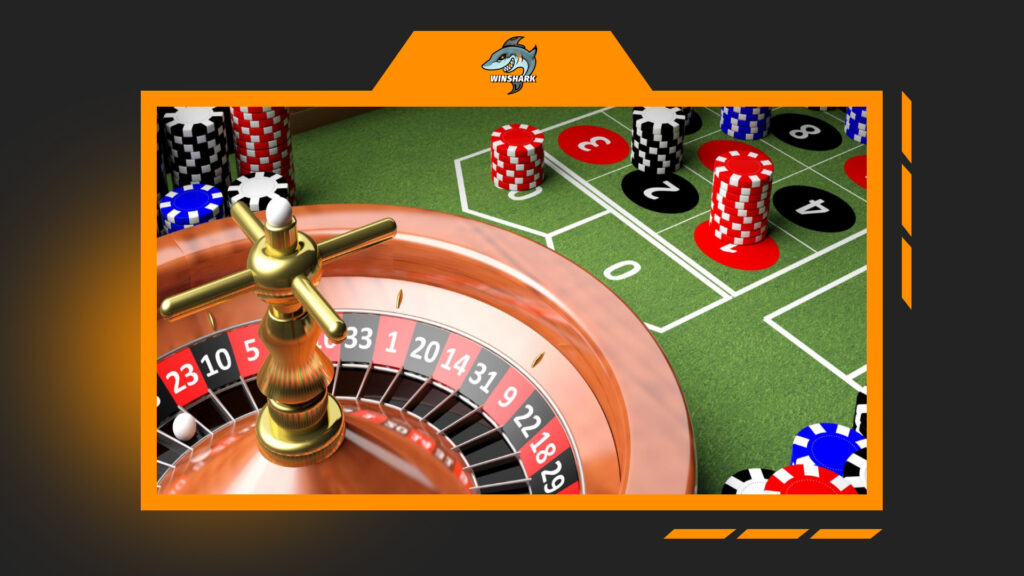
- The wheel is the outcome engine; the mat is the betting interface.
- The grid groups numbers into logical bet shapes (lines, blocks, rows).
- The house advantage comes from the green pocket, not from the red/black split.
- Every Payout ratio is designed around coverage (how many numbers you own), not around the wheel’s pretty symmetry.
Here’s the useful connection: the mat lets you choose risk by choosing coverage. A single chip can mean one exact outcome or a broad slice of the board, depending on where it lands. That’s why roulette is a great beginner’s game to read the table itself tells you what you’re buying with each wager, and it does so visually. In a fast online casino environment, that clarity matters even more, because the speed of rounds can tempt you to click first and think second.
The Central Number Grid: How to Read Lines, Splits, Streets, Corners
The middle grid is where roulette becomes geometry. Numbers 1–36 are arranged in 12 rows and three columns, and the tiny intersections are basically bet switches. This is the home of Inside bets: tighter coverage, higher swings, and bigger payouts when you hit.
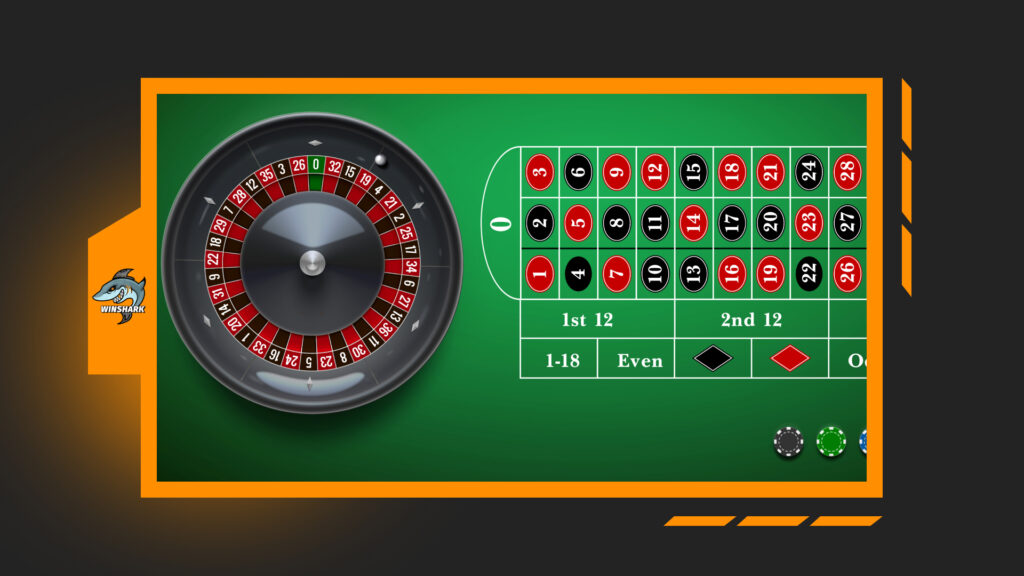
To read the grid like a pro, think in chip placement points not in number names:
- Straight-up (1 number): chip fully inside one square.
- Split (2 numbers): chip on the line between two adjacent squares.
- Street (3 numbers): chip on the outer edge of a row (covers all three).
- Corner (4 numbers): chip on a four-way intersection where four squares meet.
- Six-line (6 numbers): chip on the border between two streets (covers six).
Why this matters: Inside bets feel powerful because the Payout ratio climbs as coverage shrinks. Inside bets also punish sloppy placement. But the tradeoff is real: your hit frequency drops quickly, and a few misses in a row can feel harsher than you expect. A helpful habit is to name your intention before you place a chip: Am I buying precision, or buying coverage? In an online casino, use the highlight-preview tool so your Inside bets land exactly where you intended, not one line off. On a physical table, pause for one second and check the chip’s position relative to the printed borders, most mistakes come from being a millimeter away from the correct line.
The Big Boxes: Even-Money and 2-to-1 Areas
If the center grid is precision, the surrounding boxes are stability. These zones are built for smoother sessions because they cover large chunks of the layout and are easier to place correctly. That’s why most new players should start with outside bets. They help you learn the rhythm without forcing you into long droughts.
A simple safe start progression looks like this. Outside bets are the safest place to begin.
- Even-Money (1:1): red/black, odd/even, 1–18/19–36
- Dozens (2:1): 1–12, 13–24, 25–36
- Columns (2:1): the three vertical columns ending with 2 to 1
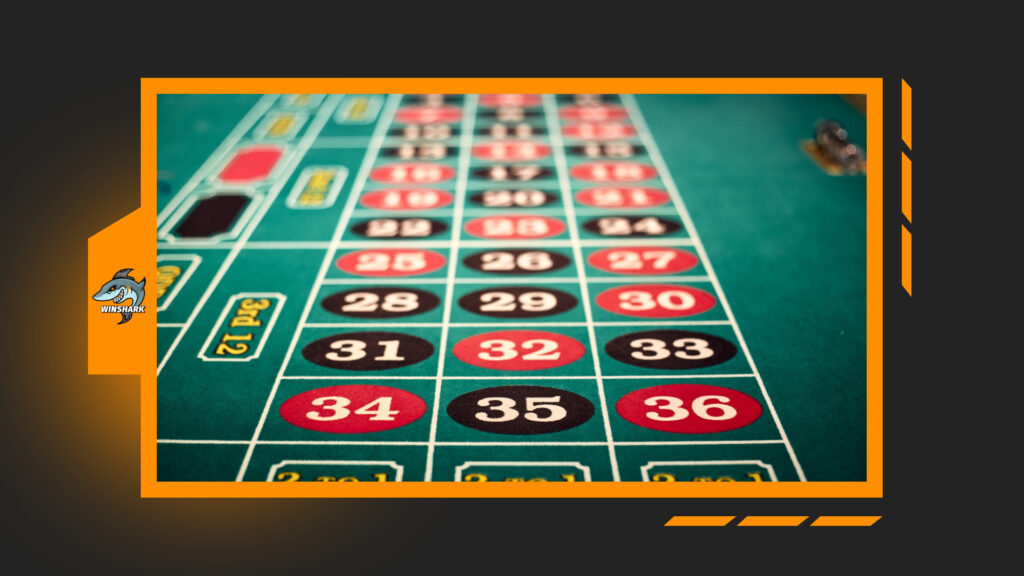
These outside bets are beginner-friendly because the win frequency is higher. Outside bets keep variance lower. But they are not free of house edge. The green pocket is the reason: when it lands, the even-money bets lose in standard rules, so the fair-looking Payout ratio is quietly tilted. A smart way to use these zones is to treat them as your baseline, then add small, intentional variations. For example, you might keep a steady even-money bet as your anchor and occasionally add a dozen bet when you want slightly higher variance without jumping straight into tight number clusters. In an online casino, this style is easy to manage because your bet history is visible and you can scale up or down without fumbling chips.
Single vs Double Zero Layouts
Before you worry about strategy, do the quickest quality check in roulette: look at the zero area. A single-zero layout has one green pocket (0). A double-zero layout has two green pocket outcomes (0 and 00). That extra slot doesn’t change what you can bet it changes how often you lose.
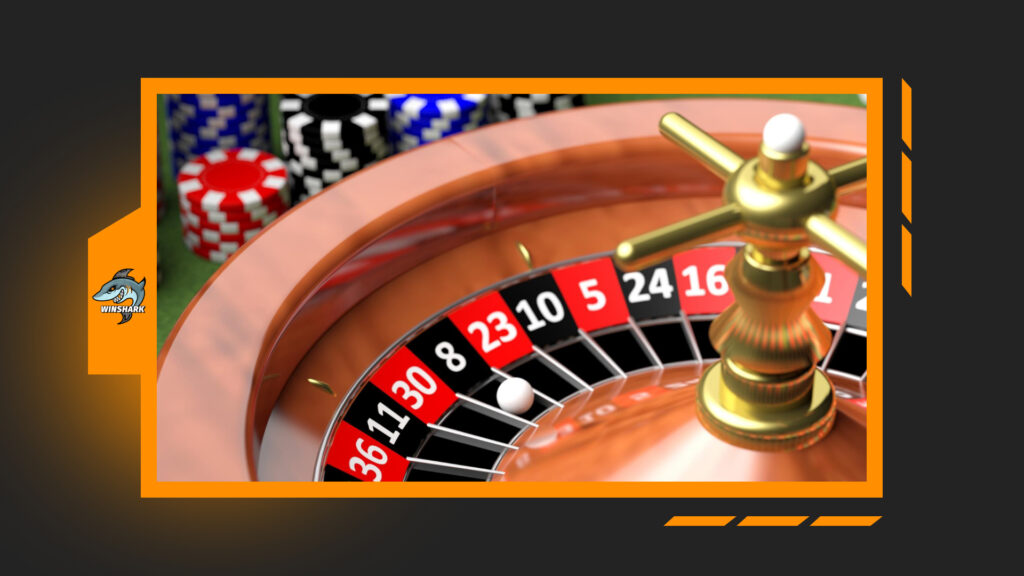
This is why it matters: payouts don’t become more generous when a second zero appears. The Payout ratio stays the same, but the probability of landing on a losing pocket increases. A standard roulette wheel with double zero is simply a higher-edge game across the board. If you want a practical way to feel the difference, imagine repeating the same simple bet for a long stretch: the version with an extra zero will, on average, drain your bankroll faster for the same entertainment time. In a busy online casino lobby, it’s easy to miss the double-zero label, so always confirm whether you’re looking at 0 or 0+00 before you settle in.
Modern Online Table Features
Digital roulette can actually be easier to learn if you use the interface as training wheels instead of a speed boost. A good online casino will show you coverage, confirm your bet type, and reduce misclicks that happen on physical felts when hands overlap or chips slide.
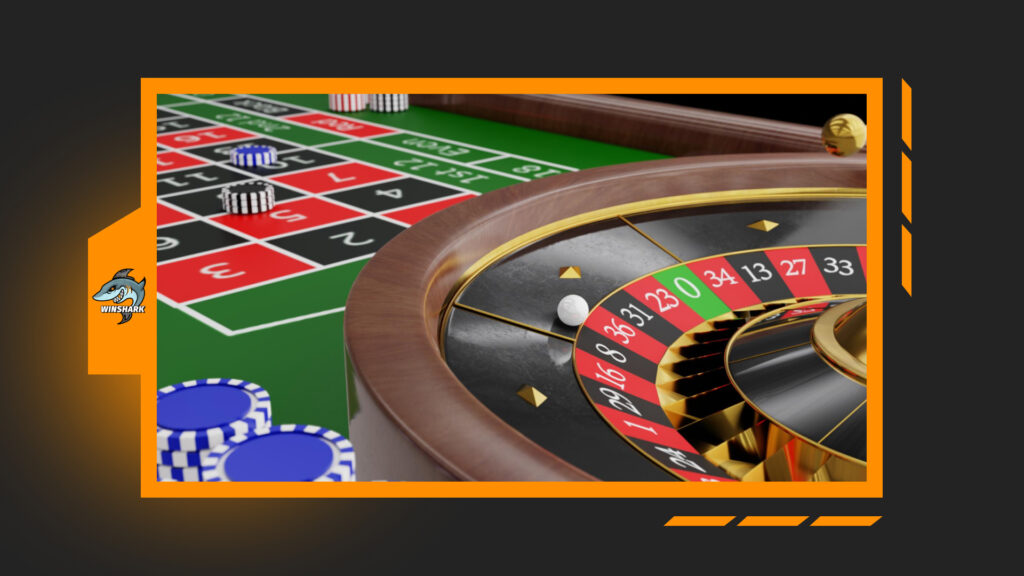
Here are the features worth using on purpose:
- Bet preview / highlights: shows the exact numbers covered before you place a chip.
- Racetrack view: groups numbers by wheel order for faster neighbor style betting.
- Rebet button: repeats your last pattern instantly (use after you verify the table variant).
- Undo / clear controls: lets you correct mistakes without panic-clicking.
- Table info panel: where you confirm zeros, limits, and any special rule notes.
The trap with an online casino is autopilot: quick buttons make it easy to repeat a pattern without checking whether you switched tables (or whether limits changed). Use the table info panel first, then bet. Also remember that a pretty layout doesn’t equal better value. When you’re hunting the most player-friendly setup, you’re looking for fewer zero pockets and rules clarity not graphics. And yes, the Payout ratio still follows the same logic: more coverage pays less, tighter coverage pays more, and the wheel’s extra slot stays the hidden cost in every online casino version.
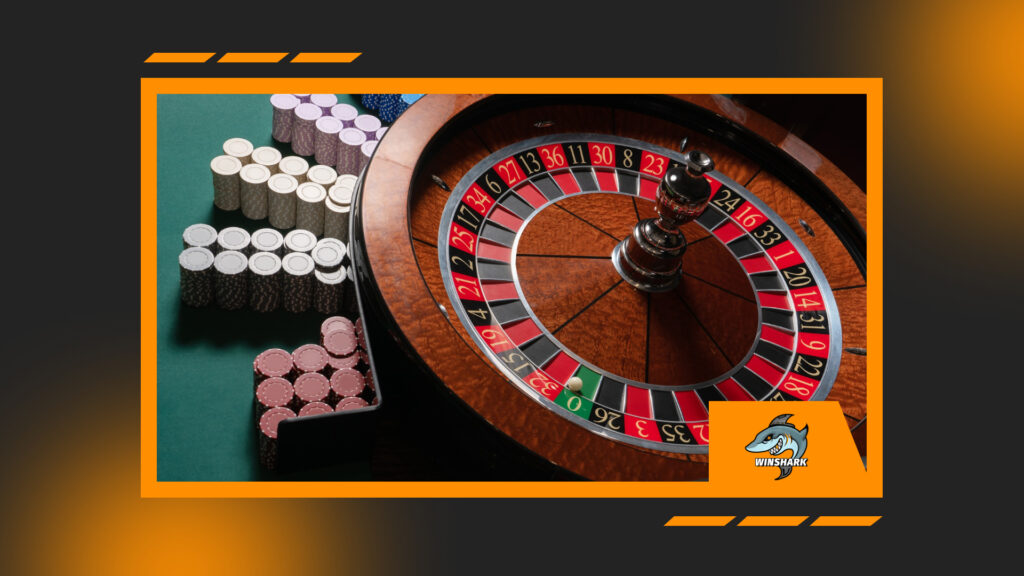
A practical tip for modern interfaces: set a simple session rule before you start. For example, decide that you’ll only change your bet size after a fixed number of spins, or you’ll only add a second bet type after you’ve watched the table behave for a few rounds. That keeps emotion from hijacking your clicks. Many platforms also display recent outcomes; treat that as entertainment, not guidance. Roulette outcomes are independent, and chasing patterns is one of the fastest ways to turn a controlled plan into chaos especially in an online casino where speed makes streaks feel more meaningful than they are.
Conclusion
The roulette mat is a risk dashboard. The center grid gives you precision and volatility; the outer boxes give you stability and learning-friendly pacing. If you understand how to read intersections, you’ll place Inside bets accurately instead of almost correctly, and if you start with outside bets, you’ll usually enjoy longer, calmer sessions while you learn the game’s flow.
Most importantly, roulette only looks balanced because roulette numbers and colors split the board into two clean halves until you remember the green pocket exists. That’s the real house edge lever. So the smartest habit is simple: scan the zero area, pick the more player-friendly table, then choose the section that matches your risk level. Do that, and the roulette table layout becomes readable at a glance especially in an online casino where the best decision is often the one you make before you place the first chip.



Comments
Be the first to leave a comment!