
What is special about online slots with three reels?
 Slots
SlotsThree reels changed little over decades, yet the format still anchors many lobbies. In a world of high-fidelity video games, 3-reel slots offer minimalism, immediacy, and pure symbol matching. In any casino, the appeal combines tradition with clarity.
Players gravitate toward the format both on floors and in online lobbies, because the game state stays easy to read: three windows, a payline map, a paytable that tells the whole story. Many readers use the term classic slots for those that feel clean rules, bold symbols, and straightforward payout logic.
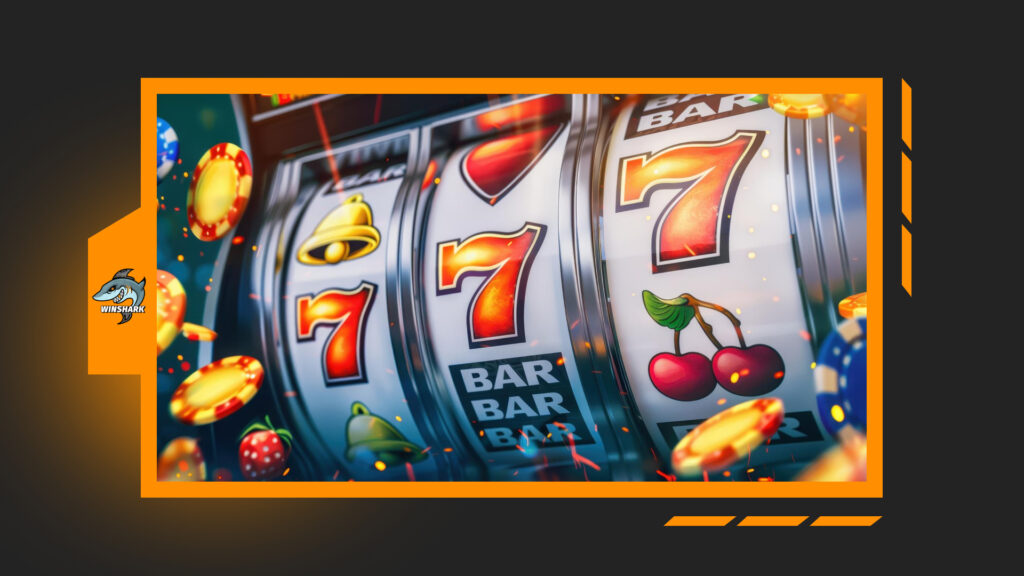
Types of reel formats in modern games
Across the history of the casino, engineers experimented with reels in several ways. The big families include mechanical stepper reels, video-simulated reels, and hybrid cabinets that mix screens with motors. In online environments, the spectrum broadens further: 3×3 layouts, 5×3 grids, and atypical geometries. Each format changes hit rate, volatility, and how eyes scan the window.
- Mechanical stepper reels. Physical drums advance to specific stops using stepper motors. Traditional cabinets often ship with three drums and a single payline. Many players associate such layouts with arcade-era slots and with bar, seven, and cherry icons.
- Video reels. A screen renders reels and symbols, permitting more paylines, animated wilds, and bonus interludes. The freedom supports story-driven games, yet a 3×3 video layout preserves three-reel discipline while adding crisp effects.
- All-ways mathematics. Rather than fixed lines, wins register for left-to-right symbol runs across adjacent reels. The design suits five-reel video games more than compact three-reel sets, yet variants exist.
- Cluster and cascade logic. Symbols explode and new icons drop, creating chains. Rare in three-reel form; still possible on a 3×3 board.
For newcomers, understanding the reel framework reduces surprise and helps manage expectations before placing a bet.
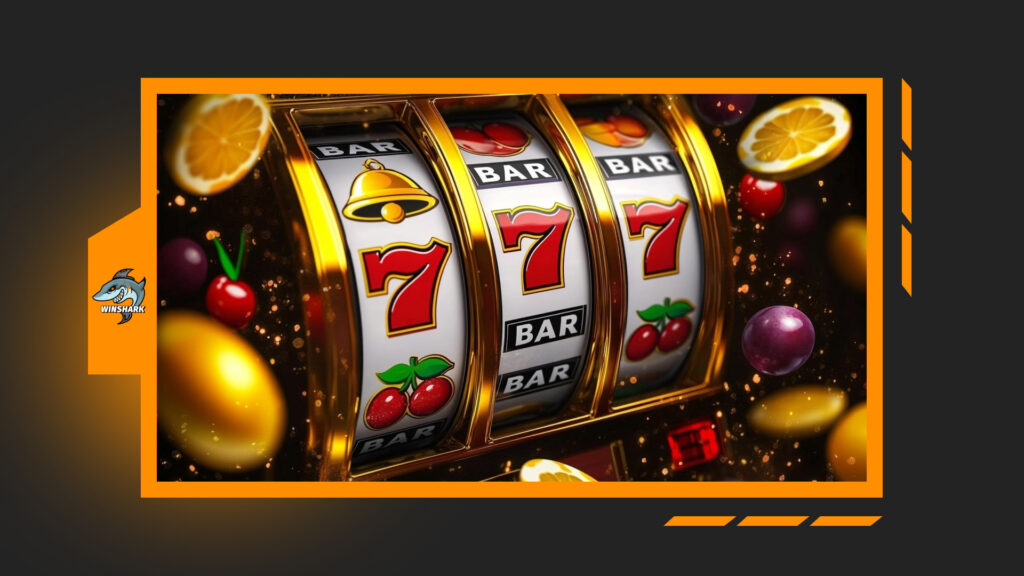
What 3-reel slots look like
Three reels, compact paytables, and a focus on symbol precision define the format. Each reel carries a curated set of stops; designers balance common icons with a few high-multiplier emblems. Many cabinets keep a single horizontal payline; modern layouts may add up to five or more, still within a tight 3×3 grid. The rhythm feels brisk: spin, land, read the line, collect or try again.
Within an online lobby, these games load fast, display clearly on small screens, and suit short sessions as well as long streaks. In a busy casino, the same clarity aids quick decision-making between spins.
Advantages of three-reel design
Simplicity earns top billing. Fewer moving parts mean fewer rule exceptions to memorize. The paytable communicates symbol value in seconds, which reduces cognitive load and speeds up play.
Beyond ease of learning, several practical benefits appeal to wide audiences:
- Transparent math. With short reels and limited lines, outcomes feel easy to audit after each spin.
- Distinct symbol hierarchy. Bars, sevens, bells, and wild multipliers stand out.
- Pace control. Short animations deliver a quick loop while still allowing suspense.
- Focus. No sprawling feature set, so attention stays on the core reel action.
- Bankroll planning. Bet sizes and payline counts stay compact, which helps with session budgeting.
Veterans describe the experience as purist. Newcomers often find confidence after a few rounds because the game language reveals itself quickly. That combination explains why many communities group three-reel games under the banner classic slots, a label associated with clean rules and bold visual cues.
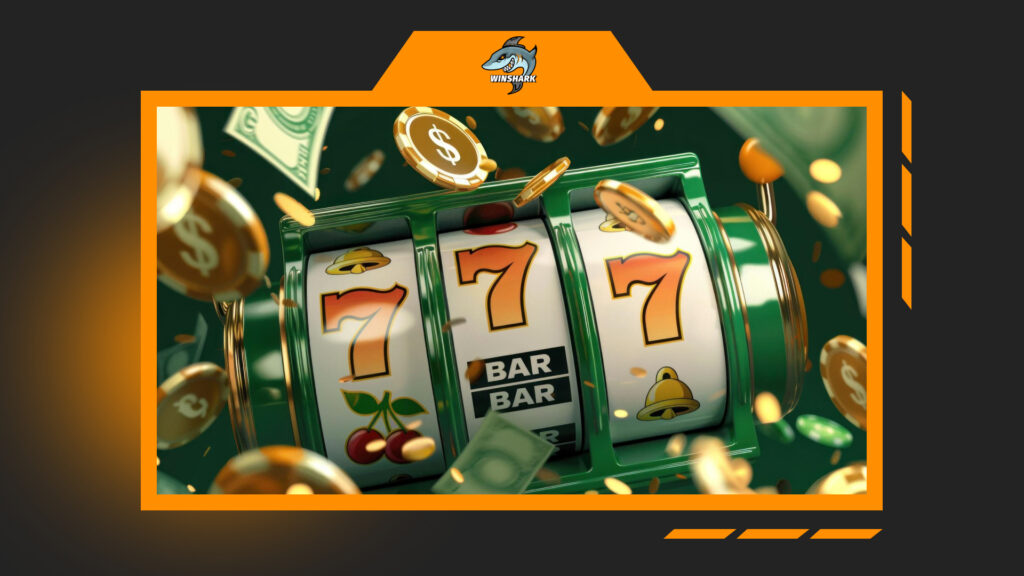
Payout procedure on three-reel games
Understanding how a machine evaluates wins helps set correct expectations. A typical three-reel pay structure follows a straightforward sequence:
- Spin resolves. Reels stop at specific mapped positions, each representing a distinct symbol.
- Active lines check. The engine reads the enabled line(s), usually from left to right.
- Symbol patterns match. Identical icons or defined sets (e.g., any BAR) trigger a line win.
- Wild behavior applies. Substitutions or multipliers from wild icons adjust the line.
- Feature triggers evaluate. If the design includes a bonus, the trigger check runs next.
- Totals compile. Line wins across active lines sum up; multipliers apply.
- Credits update. The balance reflects the result immediately.
Many 3-reel slots use a single payline; when multiple lines exist, wins across lines accumulate. In an online wallet, credits update immediately after the animation, and win breakdowns appear in the history panel or a mini-statement. On a casino floor, the credit counter increments and, for jackpot-level events, staff may verify the result before processing a hand payment. In a casino or online lobby, the compact flow resolves fast, and in a busy casino the quick payout check leads straight to the paytable review.
With the payout flow clear, approach the paytable top-down. Start with top-line combinations, then scan mid-tier matches, then any-symbol groups. Note whether maximum-coin bets unlock a boosted payout for the best line, and whether wilds double or triple wins. A focused two-minute review primes smarter bets and smoother expectations.
Those notes feed directly into the risk profile. Three-reel math often concentrates value in fewer, bigger moments. Hit rate may feel lower than on feature-rich five-reelers, yet individual line wins carry more weight. Bankroll pacing improves when the session plan anticipates that cadence.
What is special about three-reel games in online environments
Mobile-first layouts shine on a 3×3 canvas. Icon size stays generous, buttons remain reachable, and text remains readable without zoom. Load times stay short because fewer assets ship per scene.
Developers also borrow smart quality-of-life touches from larger games: quickspin toggles, turbo modes, and detailed histories. None of those alter the core reel loop; they simply improve comfort during play. Many modern 3-reel slots include wild multipliers, nudge mechanics, or hold features while preserving a streamlined feel.

Common variations you may meet
Many designers tweak a few levers, line maps, wild behavior, and reel control to change feel without adding heavy complexity. A quick overview helps set expectations before pressing spin.
- Single-line purist. One horizontal line across the center row. Precision rules; every symbol matters.
- Multi-line 3×3. Three, five, or more lines draw diagonals and V-shapes. Line count raises hit frequency; individual line prizes scale accordingly.
- Nudges and holds. After a spin, the game may allow a reel to move one step or stay in place for the next round, within rules set by the design.
- Wild multipliers. A substitute not only completes a line but also multiplies it, sometimes stacking across multiple wilds.
- Scatter pays. A few designs pay for certain icons anywhere on the window, independent of lines.
When a variation appears unfamiliar, open the info panel, study two or three examples, and if a demo exists run a short trial to feel the rhythm before committing funds.
Bankroll habits and healthy play
In any casino or online lobby, a steady rhythm supports better decisions. Set a session budget, choose a denomination that keeps the plan intact, and let the paytable guide bet sizing. Security, fairness, and responsible-play tools deposit limits, time reminders, self-exclusion form the backbone of healthy sessions, a standard embraced by platforms focused on player care. Before the pointers below, a short reminder: small habits shape steadier sessions.
Practical pacing tips:
- Build a simple rule: “X spins or Y minutes, whichever comes first”.
- Use denominations that avoid pressure to chase.
- Track average wager per minute; adjust pace to stay within plan.
- Celebrate restraint and good sessions end on your terms.
Apply one or two ideas first, then expand once the rhythm feels right.
Comparing three reels with larger grids
Smaller layouts emphasize direct symbol matching and swift outcomes, while larger grids lean into layered features, cinematic pacing, and story flow.
Choice depends on mood: clean arithmetic and quick verdicts versus longer arcs with feature depth. Many players rotate between formats to keep variety fresh.
Where three-reel design shines
Short sessions benefit from minimal rules and immediate feedback, which makes timing decisions simpler and reduces cognitive load between spins.
A compact 3×3 window scales neatly from phones to ultrawide monitors, preserving legibility and button reach without clutter or cramped text.
Pre-play checklist for a three-reel game
A brief checklist helps frame a session.
- Study the top prize. Does max-coin unlock a boosted line?
- Confirm line count. Single-line purity or five-line flexibility?
- Check wild rules. Substitution only, or also multipliers?
- Review hit rate cues. Paytable spacing and symbol rarity offer hints.
- Try practice mode. A few minutes can reveal rhythm and variance.
Tick the points above, then enjoy the compact, symbol-first loop.
Learn in practice: demo and risk-free study
In most online lobbies, a practice toggle loads the same math model with pretend credits. For fans of heritage styling, searching for free classic slots offers a risk-free way to study symbol weights, wild behavior, and payline quirks before committing real funds. Some portals even curate free classic slots with tutorials and payout explanations, a handy classroom for anyone who learns by doing.
Treat practice as structured rehearsal: note average spin cadence, record a few paytable outcomes, and check how wild rules alter line totals. A tiny notebook or a simple notes app turns casual testing into repeatable learning.
Myths worth clearing up
Misconceptions often arise from habits formed on larger grids. Clearing a few common points prevents confusion and supports better bankroll planning.
- “Max coins are always required”. Some games reserve a boosted top line for max-coin bets; others scale linearly. Read the info page.
- “Three reels pay less”. Return percentages vary by title and regulation. Format alone does not determine RTP.
- “Wilds guarantee a win”. A wild can still land in a non-paying position; always check the line map.
- “One strategy beats all”. Sound bankroll plans and paytable knowledge help everywhere; perfect prediction remains impossible.
Treat each title as its own ruleset, confirm details in the paytable, and make small test spins until the evaluation sequence feels fully understood.
Audio-visual craft on a small canvas
Three reels invite bold iconography and tight sound design. Bells, bars, and sevens carry clear silhouettes that read at a glance. Animations stay short by design, preserving pace while giving each win a satisfying punch. Haptics on supported devices add subtle feedback without slowing the loop.
Accessibility matters on compact layouts: high-contrast symbol sets aid recognition, adjustable volume preserves clarity in noisy spaces, and short win stingers keep energy high without fatigue. Subtle flourish beats sensory overload on a 3×3 stage.
UX touches that elevate three-reel play
A few interface details elevate comfort without clutter.
- Readable typography for paytables and line maps.
- Big, separated buttons to prevent mis-taps on small screens.
- Quick history drawers showing recent spins, wins, and line breakdowns.
- Session reminders that keep time awareness front and center.
Together these touches reduce friction and keep attention on the reels.
FAQ
Are three-reel games only for beginners?
Not at all. Many high-skill players enjoy the format for quick reads and precise paytable control. The smaller canvas rewards attention to symbol frequency, a discipline that transfers to other slots as well.
Do three-reel games pay less than five-reel ones?
Return-to-player percentages vary by title, not by reel count. Many three-reel releases sit in the same RTP range as five-reel video games. In online libraries, transparent info pages publish the figure up front.
What bankroll approach fits three-reel sessions?
Pick a coin value that sustains the session length you want. If a machine offers a top-line bonus for maximum coins, budget for that. In a casino setting, consider short breaks to keep judgment sharp.
Why do so many symbols show bars, sevens, and bells?
Early mechanical design favored bold shapes with high contrast. That legacy endures because clarity matters on a compact window.
Are nudges and holds random or skill-based?
Mechanics follow rules set by the game. Sometimes a nudge or hold appears randomly; sometimes it triggers via special icons. Either way, outcomes still pass through the random number generator.
How many paylines matter on a 3×3 board?
Many three-reel games ship with one payline; others offer three, five, or more. On a small grid, extra lines spread hit rate across angles and V-shaped paths. New players often begin with one line, then add as comfort grows; veterans sometimes prefer full coverage to keep volatility closer to video slots.
Can I find three-reel games with progressive jackpots?
Yes. Some titles link a top prize that grows with each wager. In a casino or on a regulated site, the jackpot rules appear in the info panel, including eligibility requirements.
What defines the “classic” label in practice?
Three elements usually earn the tag: three reels, limited paylines, and retro iconography. Many audiences call such releases classic slots because the format evokes early mechanical games while still fitting modern casino play.

Conclusion
Three reels concentrate play into pure pattern recognition and crisp payouts. If a streamlined, symbol-first rhythm appeals, you can play classic slots responsibly in demo mode first, then with real stakes once comfortable.
 How To Play
 Roullete


Comments
Be the first to leave a comment!