Everything About The 5 Cards Rule In Blackjack
 Blackjack
 Table games
A table rule can change the entire feel of a session. Not by changing the deck, and not by changing how cards are dealt, but by changing what counts as a win. That is exactly what this five-card rule does. It adds a second finish line. You can still win the usual way by beating the dealer total. You can also win by collecting 5 cards in blackjack without busting, if the table allows it.
This guide explains how that rule works, why most commercial rooms avoid it, and how to play smarter when it is available. The goal is realistic decision making. The five card idea is fun, but the table still punishes over-hitting, and most long-term profit comes from basic strategy, not from chasing a rare milestone.
Blackjack 5 Card Rule Explained
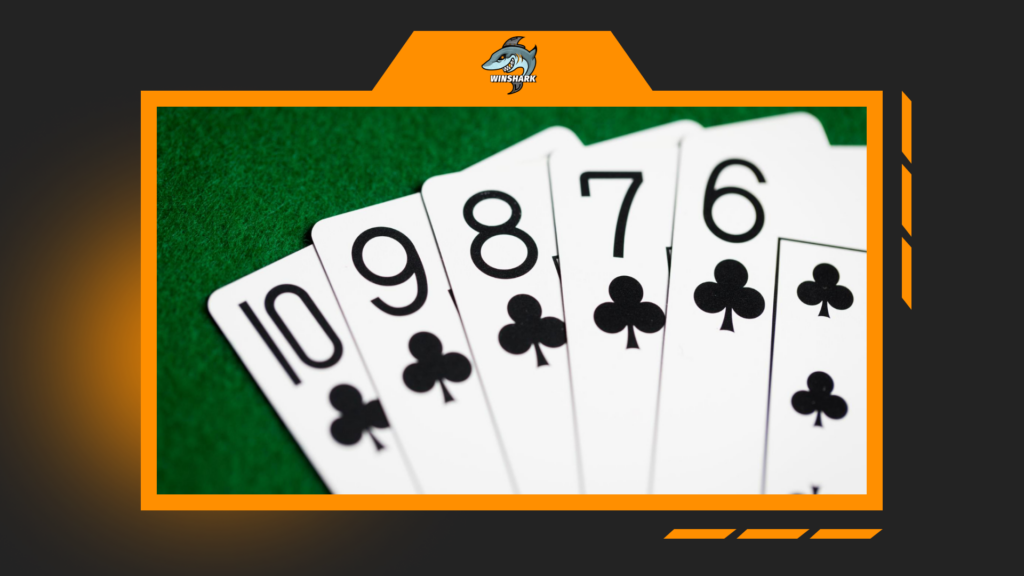
The blackjack 5 card rule is a variant rule that awards an automatic win if your hand reaches five cards without going over 21. You do not need to reach 21. You simply need to survive five hits in total, including the original two cards, while staying at 21 or below.
This is often called a Charlie rule. You may also see it described as a Charlie rule in rules panels or on printed placards. In most versions, once you hold 5 cards in blackjack safely, the hand is settled as a win immediately. In some versions, the dealer still completes their hand, and then the rule is applied during payout. The difference matters mainly for flow and clarity, not for the core concept.
The key point is what the rule does not change. It does not change the odds of the next card. It does not make low cards more likely. It does not make hitting safer. It only changes the payout condition if you reach the five-card threshold.
What Is The 5 Card Charlie?
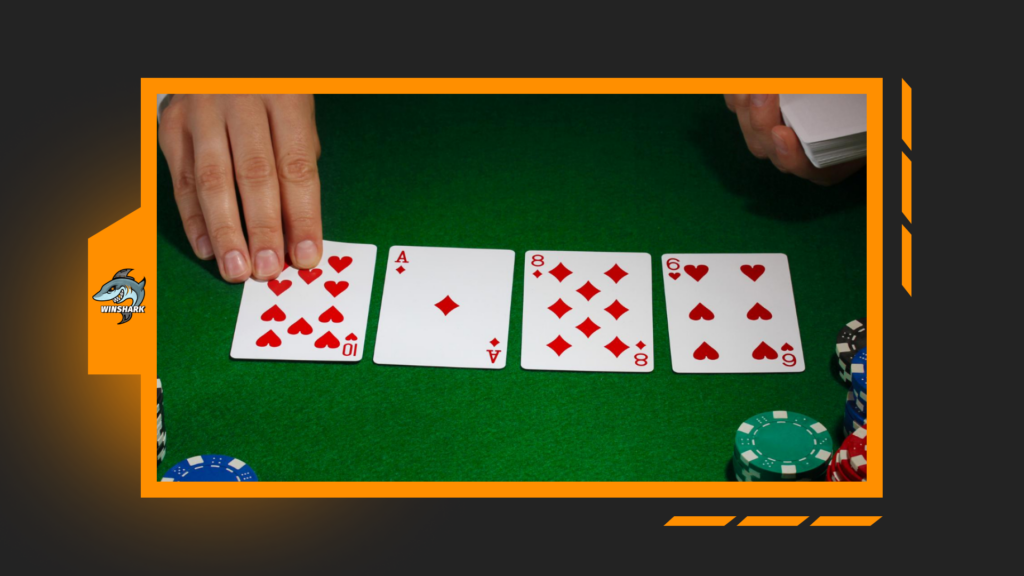
This rule is a win condition that rewards a rare path through the hand. You start with two cards, then keep taking cards until you either stop, bust, or land 5 cards in blackjack safely. When the fifth card arrives and the total remains 21 or under, you win under the charlie rule.
The appeal is psychological. It creates a visible target that feels achievable, especially when your first two cards are low. That feeling can be useful if it keeps you calm. It becomes harmful when it makes you hit in spots where standing is stronger.
Most tables that offer the 5 card charlie treat it as a normal win at even money. A few specialty versions pay a bonus or treat it as a stronger outcome, but that is less common. The more important detail is whether the rule is capped by exceptions. Some rulesets specify that dealer blackjack overrides the five-card win. Others treat the five-card condition as absolute. That is why reading the table rules is not optional.
You will sometimes hear players call it a card trick because it looks like a magic moment. In practice it is just a ruleset feature that is designed to be rare enough that it does not break the game economics.
Does A 5 Card Trick Beat 21?
The answer depends on the exact rules you are playing under. Some variants state that five cards without busting is an automatic win, even if the dealer later reaches 21. Other variants carve out exceptions, such as dealer blackjack, or they treat 21 as the top outcome regardless of card count.
The safest way to play this is to treat the question like a rules lookup, not a debate. If the rules panel says the charlie rule is an automatic win condition, then does a 5 card trick beat 21 becomes a simple rules question rather than a debate. If the rules panel lists exceptions, then those exceptions are controlled. A card trick is only “stronger than 21” when the table explicitly says it is.
If the game does not state it clearly, assume the standard hierarchy applies and avoid relying on the milestone. Relying on assumptions is how players lose money on a table they thought was “special”.
Standard Tables Vs Home Games: What Casinos Use
Most commercial casinos stick to traditional rules because speed is money. Every extra edge case slows the game, increases dealer explanations, and creates disputes when outcomes conflict. The blackjack 5 card rule introduces edge cases by design. It creates situations where a player “wins” with a weak total because they reached five cards, which can feel unfair to other players watching the dealer build a strong hand.
Here is what casinos typically try to protect in live operations:
- Fast rounds with minimal interruptions
- Fewer rule disputes at the table
- Consistent expectations across tables and shifts
- Predictable math that does not rely on rare exceptions
Home games are the opposite. Home games optimize for stories. The 5 card charlie creates a story. It makes a low total feel heroic, and it gives casual players a second reason to stay engaged during losing streaks. That is why the rule shows up more often in private sessions, friendly tables, or novelty formats.
When commercial operators do offer the charlie rule, it often appears in specialty variants, promotional tables, or beginner-friendly products that are designed to feel different. The important habit is to evaluate the entire ruleset. A table can offer the five-card win condition but also include other changes that quietly raise the house edge, such as lower blackjack payouts, reduced doubling options, or unfavorable dealer rules.
If you are playing online, assume nothing from the name. Look for the exact rule statement in the table information panel. If the rule is not written there, treat it as inactive.
Why Chasing Five Cards Is Usually The Wrong Plan
The trap is simple. Players see a low starting total and start hitting with a single goal, to reach 5 cards in blackjack. That goal can push you to take a third or fourth card in situations where standing has better expected value. The table can reward the rare fifth card, but the bust risk rises every time you press hit.
Typical warning signs that you are drifting away from good play:
- You hit even when your total already sits in a safe standing range
- You ignore the dealer upcard because you are focused on the milestone
- You avoid a correct split or double to keep one hand alive
- You increase risk after a small “almost” moment
The smarter approach is to keep basic strategy as the engine. You still double when you should double. You still split when you should split. You still stand when the math says stand. The five-card win is something you accept when the deck gives it to you, not something you force.
This is where one example matters. Splitting eights is a classic correct move even when it feels uncomfortable. Many players avoid it because they want one hand that can “grow” into the five-card outcome. That is usually a mistake. The correct split produces two better long-term hands. Chasing the milestone often produces one over-hit hand that busts.
A practical rule keeps you grounded. When you catch yourself thinking “one more card and I might get the five-card win”, pause and treat that thought as a warning sign. The blackjack 5 card rule is not a strategy. It is a rule that sometimes pays you for surviving longer than usual.
So here is the operating mindset. Keep your normal decisions strong. Let the 5 card charlie show up as upside. That approach captures the benefit without paying the extra bust tax.
5 Card Charlie In Blackjack And Specialty Variants
The five-card condition becomes more interesting in certain specialty games because the mechanics can reduce early dead hands or create more flexible paths. The best example to mention is Blackjack Switch. In Blackjack Switch you play two hands and can swap the second cards between them. That can improve weak starts and reduce immediate bust pressure, which can slightly increase the chance of building longer hands safely.
Where specialty variants can change the feel of the chase:
- More control over early hand shape
- Fewer dead starts with forced high totals
- More situations where taking one more card feels reasonable
- More opportunities for long hands without panic decisions
This does not make the five-card outcome common, even in 5 card charlie in blackjack variants. It simply makes the path less blocked in some situations. If a table combines Blackjack Switch style flexibility with the five-card win condition, you might see the milestone more often than on a strict single-hand table, but it is still a rare event.
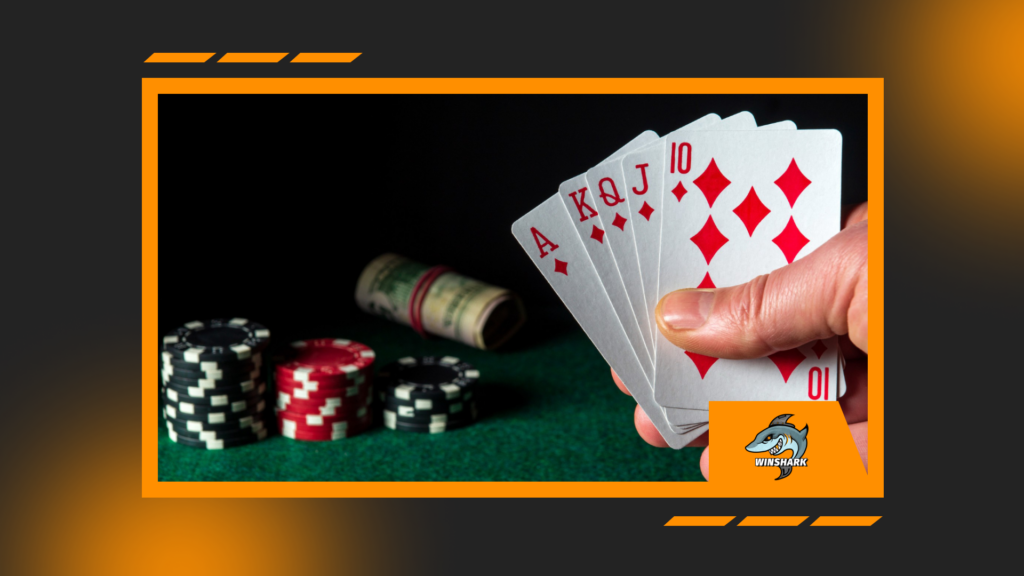
The key is still discipline. Specialty games often compensate for “fun” features by tightening other parts of the rules. You might see different dealer behavior, different payout structures, or other adjustments. So treat the five-card rule as one factor, not the whole decision.
If you want to think about it cleanly, use this question. Does the flexibility help you play correct decisions more often, or does it tempt you into extra hits. If it tempts you into extra hits, the table is pulling you away from good play, even if it occasionally pays a flashy result.
The Five-Card Reality Check
The 5-card charlie in blackjack feels like control: you keep drawing cards, stay under 21, and win if you reach five without busting. But it shouldn’t change your core approach. The real strategy is still basic strategy, disciplined bankroll management, and making correct decisions under normal rules.
Treat the five-card rule as an occasional bonus, not something to chase. Trying to force it often leads to unnecessary hits and losses. It doesn’t remove variance or losing streaks — it simply adds a rare extra way to win when the deck happens to cooperate.